Anonymized project note
Chemical Filtration Cloth Selected by pH, Temperature and Cake Release
The cloth selection was based on chemical compatibility, operating temperature and cake discharge behavior. For this type of inquiry, micron rating alone is not enough to confirm whether a cloth will work reliably.
Project overview
This case is written for plant maintenance teams, distributors and equipment buyers comparing whether a similar DOFIL supply route could work for their own site. Customer names and exact production figures are not published, but the application logic and quotation checks are kept practical.
Project location Chemical process plant
Application Chemical slurry filtration
Operating duty Replacement cloth supply for existing filter press
DOFIL supply scope PP or polyester material route, weave structure and sewing details

Before quotation, the important question was fit
A cloth that works in neutral sludge may fail quickly in chemical slurry. The buyer needed material compatibility, filtration behavior and cleaning method considered together.
For this kind of request, the useful work happens before a price is sent. A similar-looking product can still fail at site if the working pressure, feed material, interface size, sealing surface, filter cloth or packing method is not checked. That is why this case was handled as a technical replacement record, not a simple catalog selection.
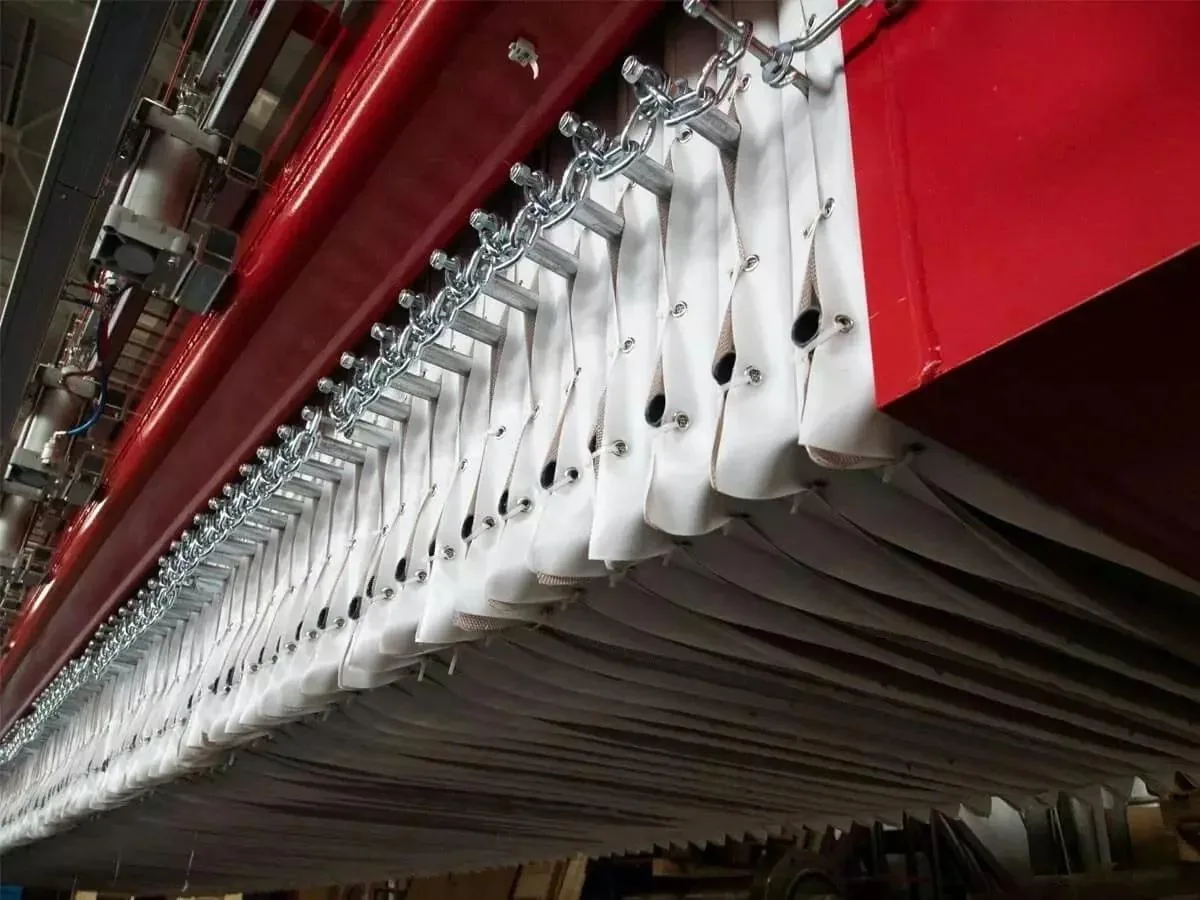
How DOFIL approached the supply plan
- Collected pH value, temperature, slurry description and solvent information.
- Reviewed old cloth material, cake release and washing method.
- Compared PP and polyester cloth routes for the operating condition.
- Prepared sewing and fixing notes for the existing press plates.
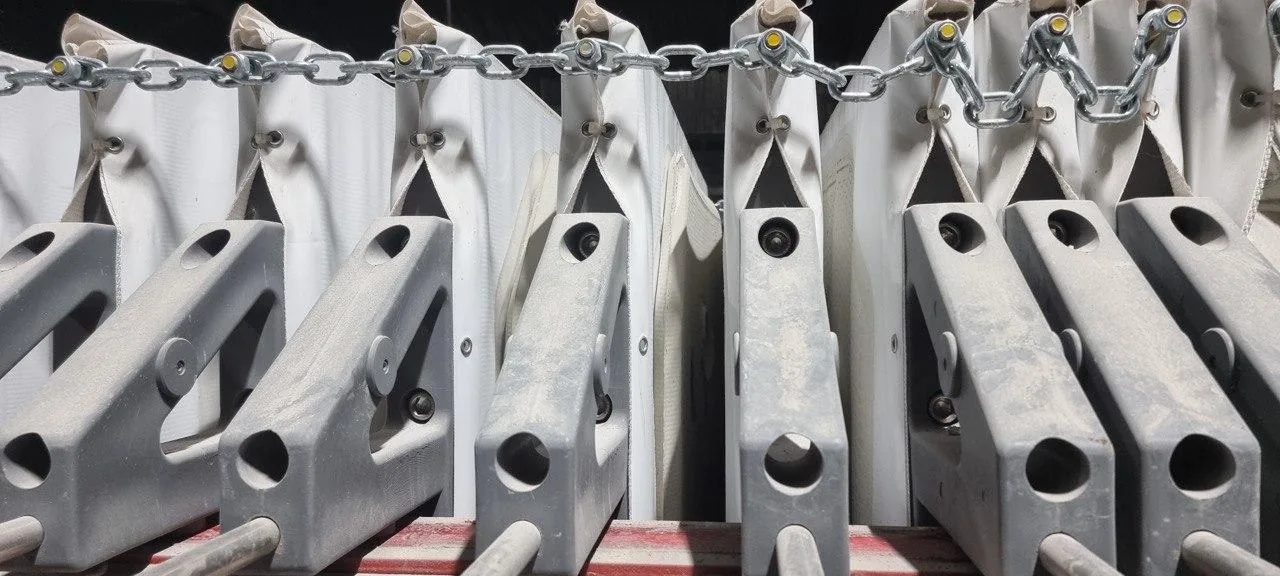
Main products and technical focus
- PP filter cloth optionConfirmed against the project duty before quotation.
- Polyester filter cloth optionConfirmed against the project duty before quotation.
- Sewing and edge treatmentConfirmed against the project duty before quotation.
What changed for the buyer
Exact operating data is not published without the customer's permission. The practical result of this case is that the buyer had a clearer basis for technical confirmation, repeat supply and future maintenance planning.
- The buyer received a more defensible cloth selection route.
- Material compatibility was documented before order.
- The project reduced trial-and-error cloth replacement.
Questions this case helps answer
Can DOFIL quote only from a product name?
Usually not accurately. For replacement parts and filter press systems, photos, drawings, size, pressure, material and application details make the quotation safer.
Why are customer names not shown in every case?
Many industrial buyers do not allow supplier websites to publish plant names or production data. The case still keeps the useful technical logic: application, problem, supply scope and confirmation route.
What should a buyer prepare for a similar project?
Useful information includes machine model, old product photos, drawings, main dimensions, slurry material, working pressure, temperature, quantity and delivery plan.
For a similar inquiry
Send machine model, drawings, old photos, plate size, cloth sample, slurry data, pressure, temperature and target delivery date.
Request technical review