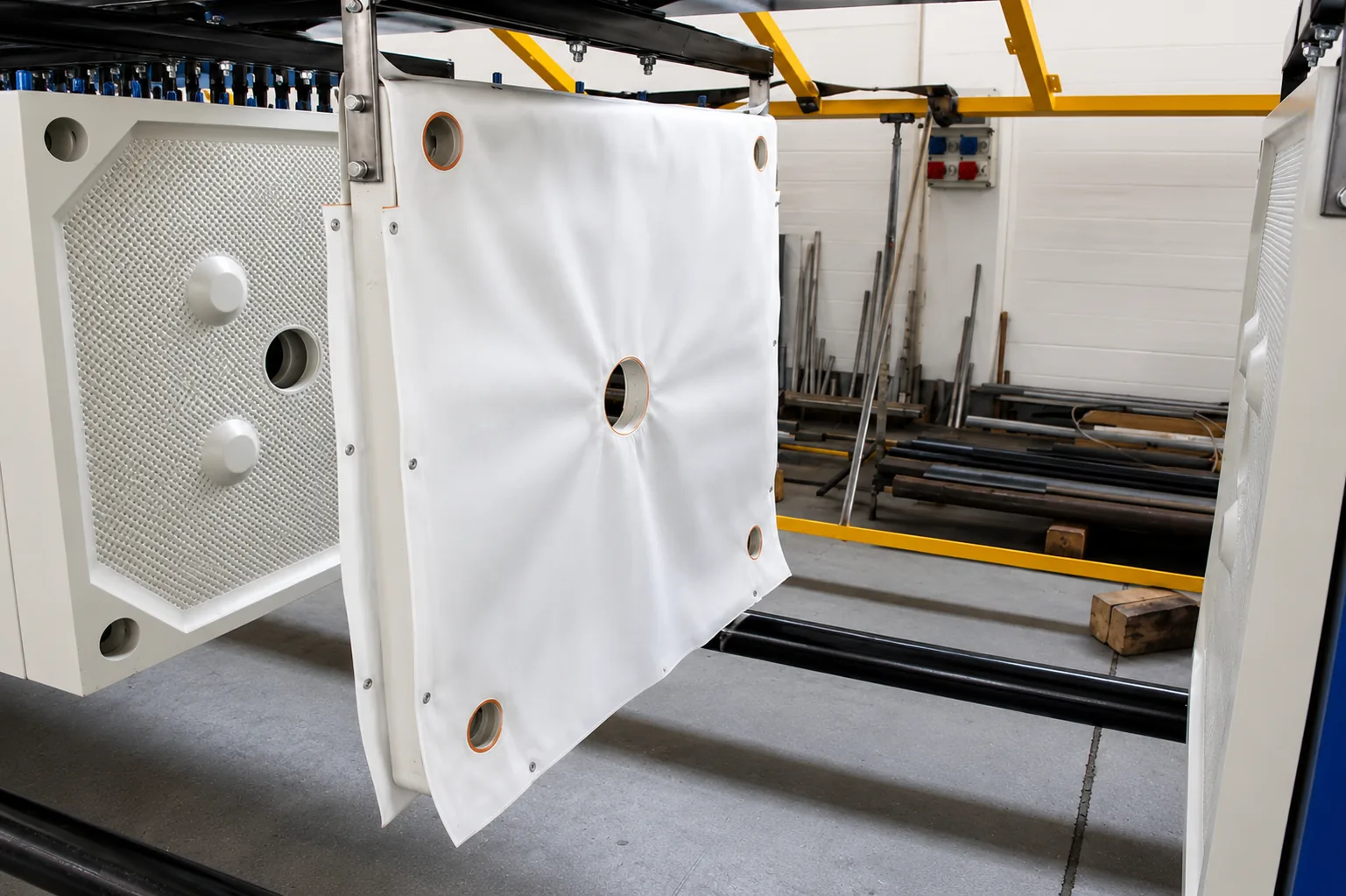
Filter cloth for press filtration
Filter cloth engineered for your press, slurry and filtration target
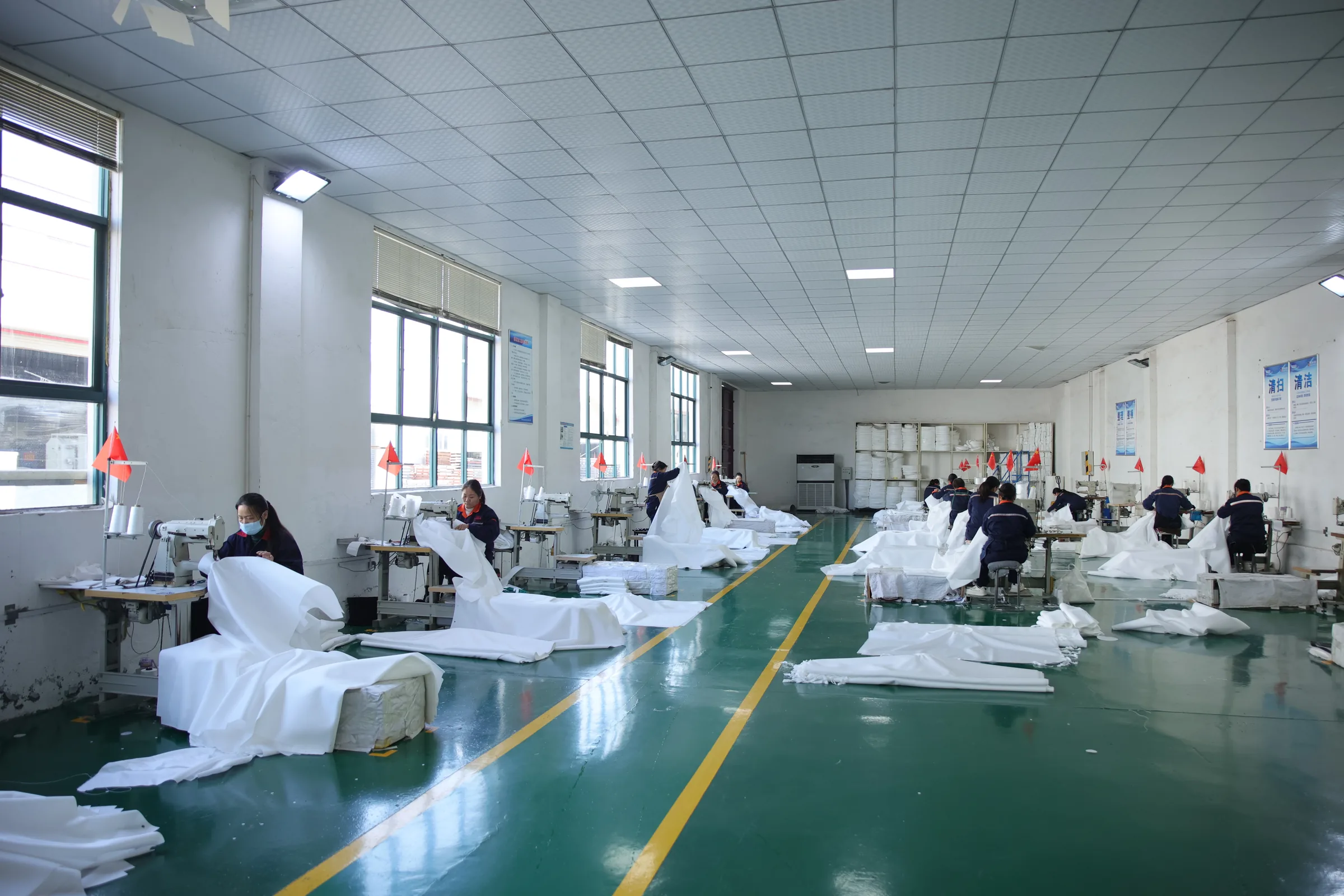
The right cloth controls filtrate clarity, cake release, cycle time and service life. DOFIL matches fabric material, weave, permeability, neck and edge construction to your plate design and operating conditions, then supplies replacement cloth ready for installation.
PP, PET, PA and custom fabrics
Matched by plate size and fixing method
Cut, stitched and finished for installation
Product range
Filter cloth types DOFIL can match by equipment and application
Filter cloth selection usually starts from the machine type. A plate-frame press, membrane press, cloth walking press, belt press or vacuum belt filter may need different fabric structure, edge treatment and joint design.
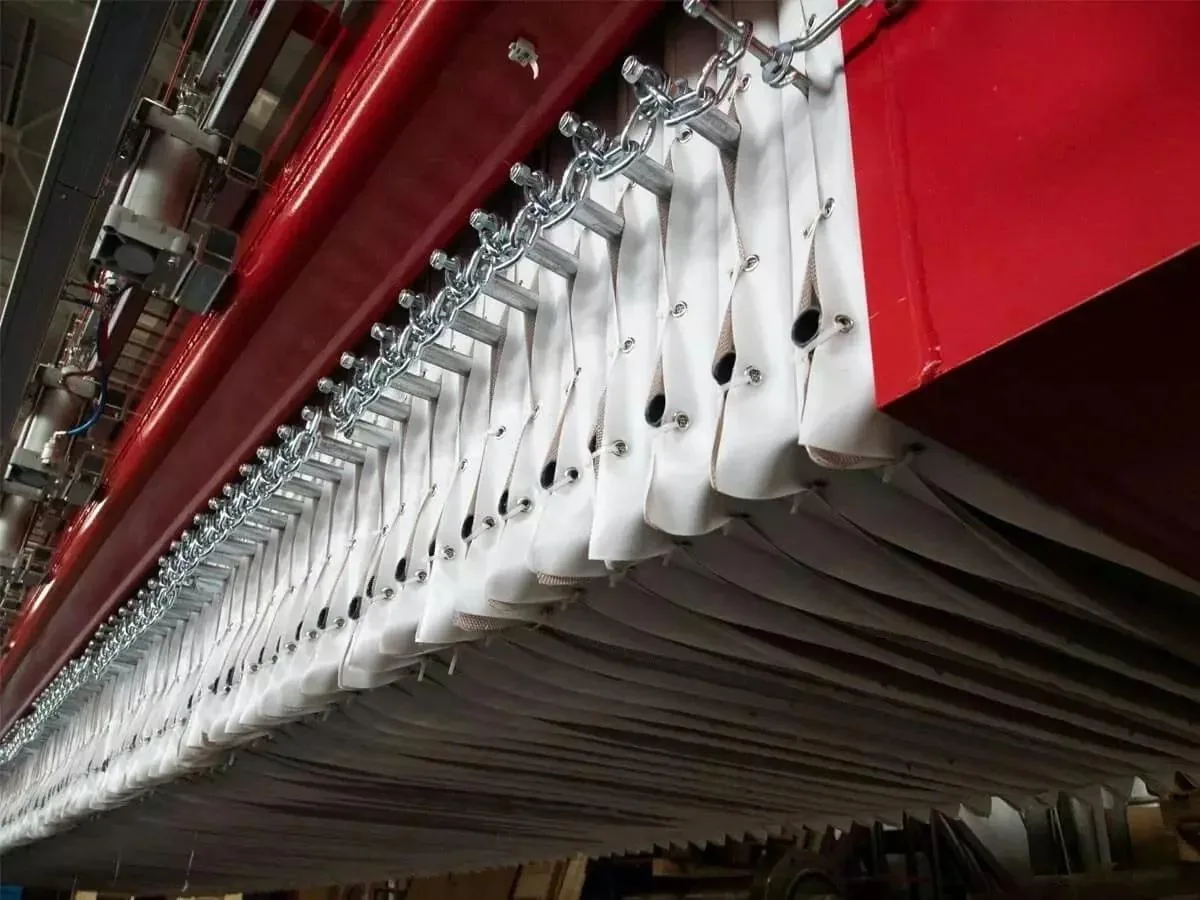
Plate and membrane press
Filter Press Cloth
Custom cloth for chamber and membrane plates, including center feed, corner feed, neck design, eyelets, edge finishing and gasket areas.
Tower and vertical press
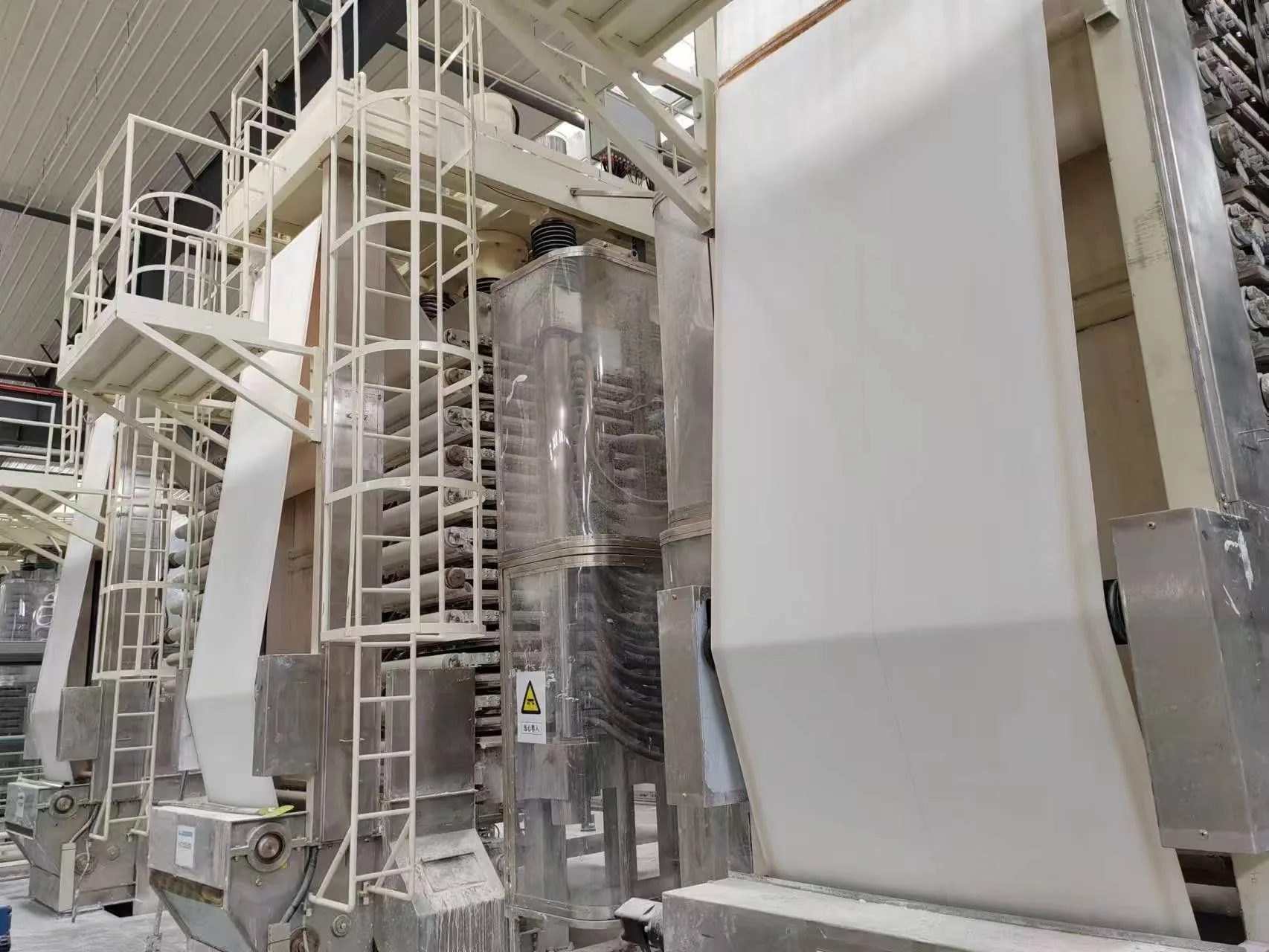
Vertical Filter Cloth
Used where cloth tracking, cake release and washing performance are important for vertical or tower pressure filter systems.
Walking and fixing details
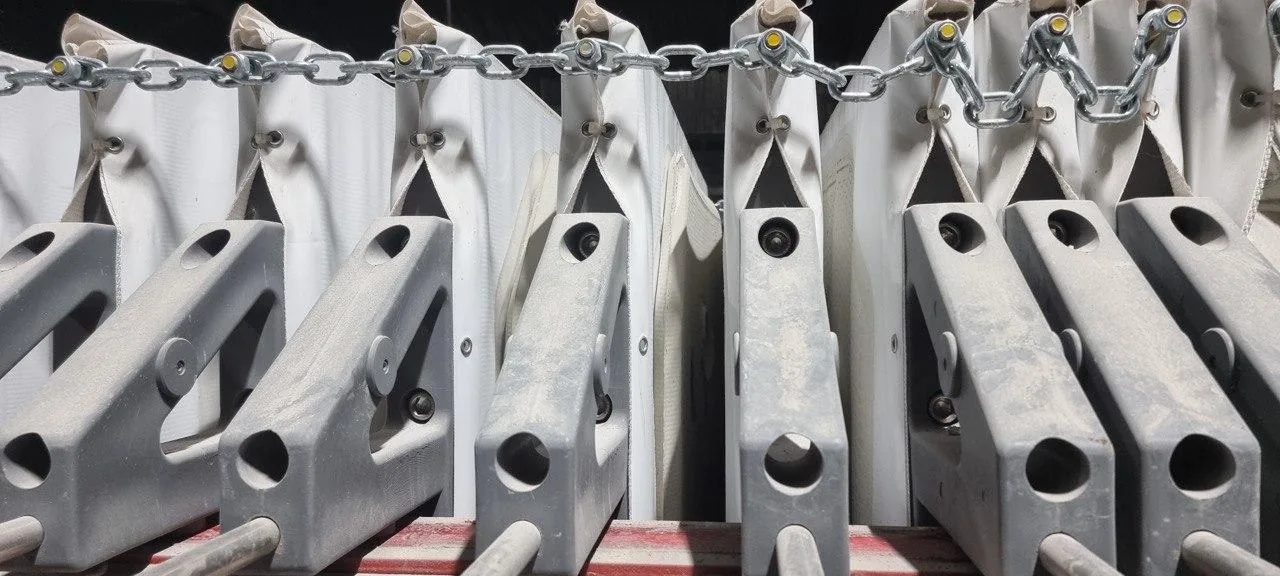
Cloth Walking Type
For press designs that move or pull the cloth during discharge. Joint design, fabric strength and edge stability need to be checked.
Roll and spare stock
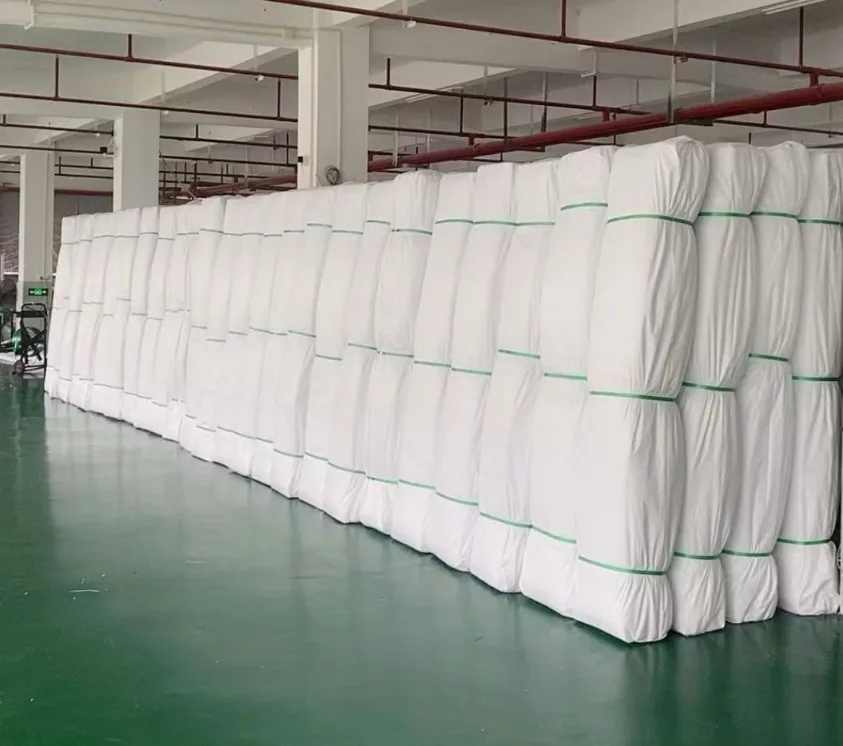
Rolls and Replacement Sets
Filter cloth rolls, cut pieces and replacement sets can be supplied for maintenance teams and regional distributors.
Technical checks
Cloth parameters that should be confirmed before repeat orders
These items decide whether the new cloth only fits the plate, or actually improves filtration performance.
Fabric materialPP, PET, PA, PE or special material selected by pH, temperature, abrasion, hydrolysis risk and chemical exposure.
Yarn structureMonofilament, multifilament, mono-multi or non-woven construction selected by filtration accuracy, cleaning demand and cake release.
Cloth performanceAir permeability, pore opening, fabric weight, thickness, tensile strength and elongation are reviewed when data is available.
Finishing methodHeat setting, calendering, singeing, coating or other surface treatment may be used to adjust blinding, release and durability.
Plate fitOverall size, neck hole, feed hole, grommet, eyelet, sealing edge, stitching line and corner reinforcement must match the plate.
Operating dataFeed pressure, washing step, cycle time, slurry temperature, cleaning frequency and current cloth failure mode are useful for selection.
Application notes
Common problems that change the filter cloth recommendation
When customers ask for the same cloth code, DOFIL still checks the operating problem. Two sites using similar presses can need different fabric structures.

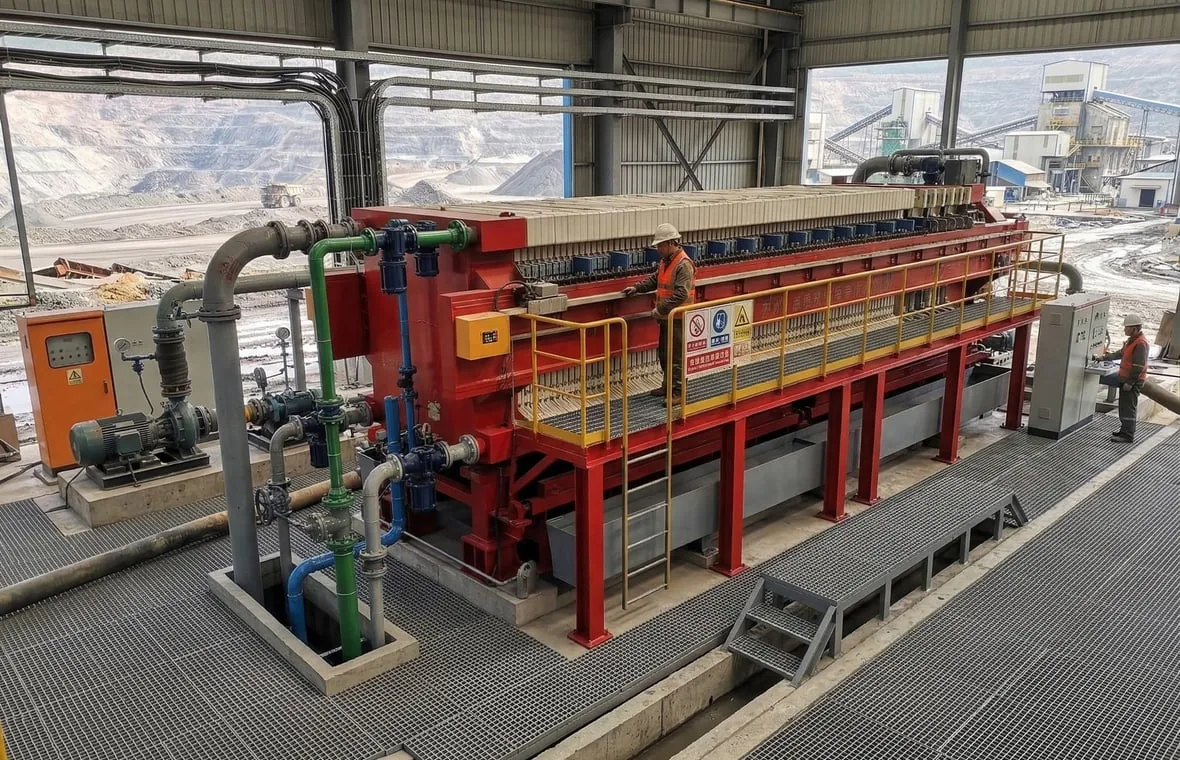
Mining and tailings
Abrasion and cloth life
Large mineral particles and repeated cycles make fabric strength, wear resistance and spare stock planning important.
Coal washing
Blinding and discharge
Cloth opening, surface finish and washing frequency are checked when cake release becomes unstable.

Chemical process
pH and temperature
Material choice must consider chemical compatibility, temperature, cleaning method and filtrate requirements.

Wastewater sludge
Cake moisture and cleaning
Conditioning chemicals, sludge type and washing steps affect the best cloth structure and replacement interval.
Fine slurry
Retention and filtrate clarity
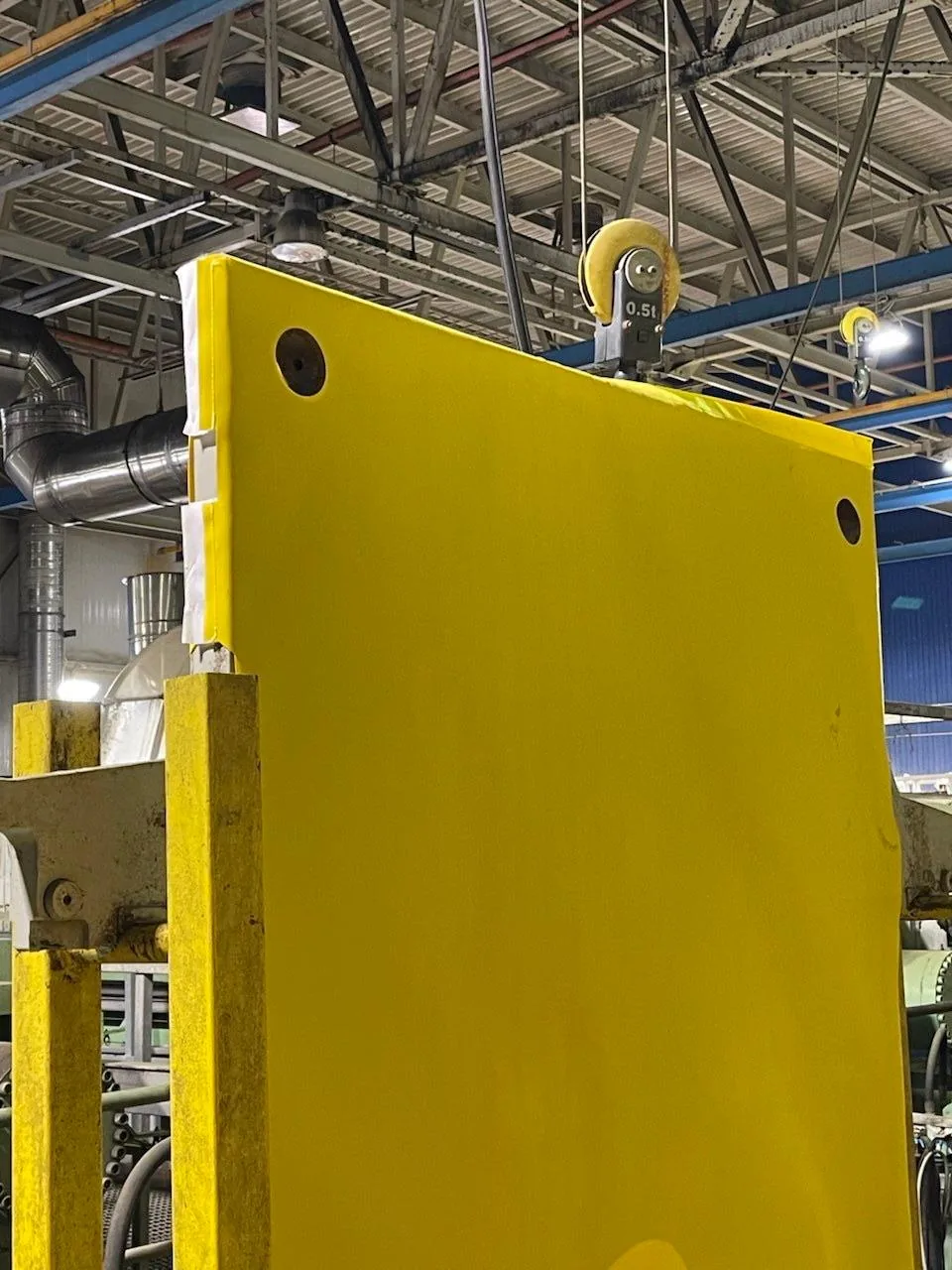
Fine particles need careful balance between retention, permeability, cycle time and cleaning difficulty.
Replacement supply
Fit details decide installation
Photos of the old cloth, plate face and fixing method help avoid mistakes in holes, cuffs and edge treatment.
Cloth photos and fit checks
Use photos to confirm cloth structure, fixing and installation direction
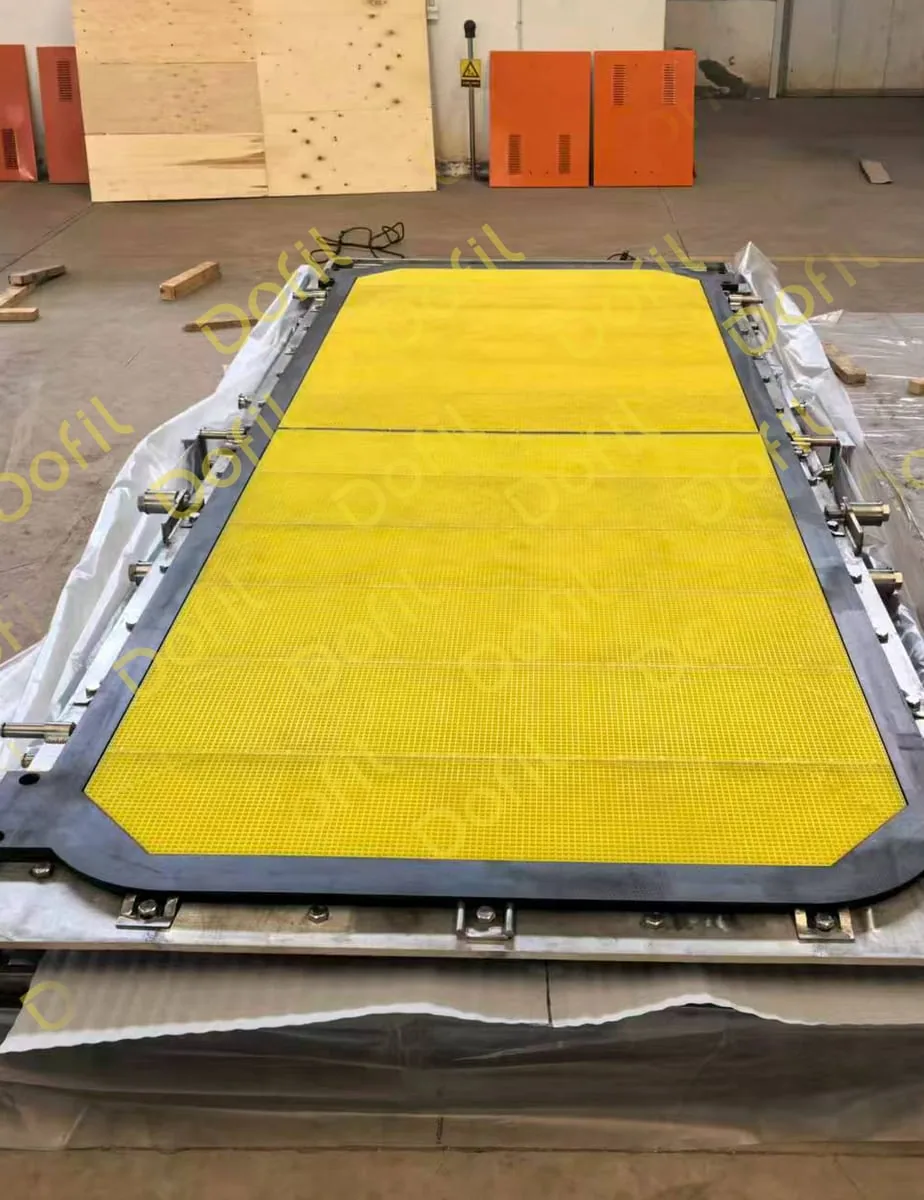
A cloth inquiry is clearer when the supplier can see the installed cloth, the plate face and the old cloth after removal. These photos help confirm feed holes, neck style, stitching and whether the issue is fabric selection or equipment condition.
Quotation checklist
Send these details before ordering replacement filter cloth
Old cloth and plate
Cloth size, old cloth photos, plate photos, feed hole position, neck type, eyelet or grommet details.
Operating condition
Slurry type, pH, temperature, feed pressure, washing step, cycle time and current problem.
Purchase plan
Quantity, sample request, repeat order plan, packaging requirement and destination country.
Request a cloth recommendation
Send cloth photos, plate photos or a small sample
DOFIL will review the fit details and the process problem before suggesting a fabric direction or replacement set.