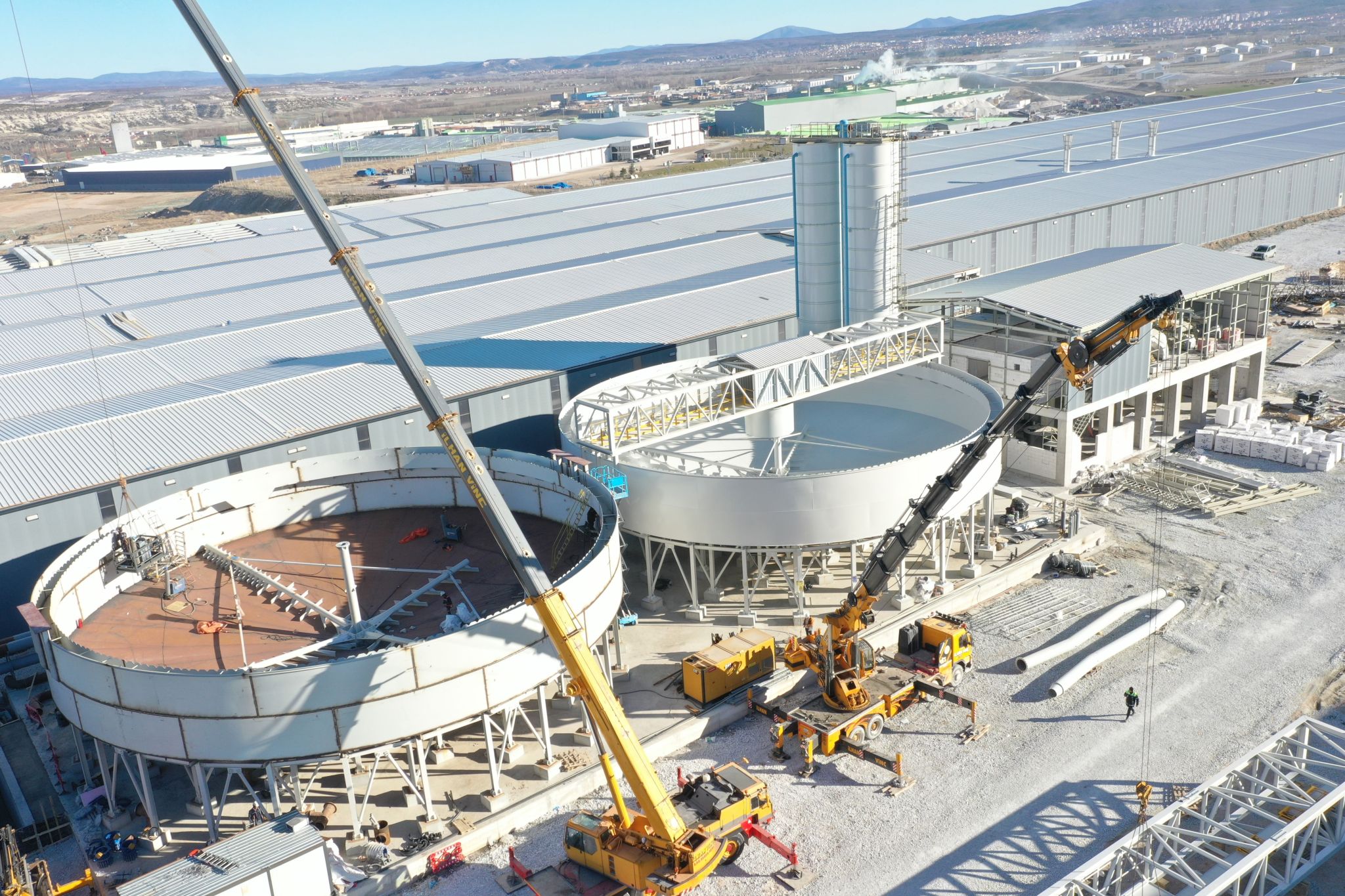
Complete slurry dewatering systems
Industrial filter press systems for lower cake moisture and stable slurry dewatering
DOFIL matches the press, plate pack, filter cloth, feed pump, controls and cake discharge around your slurry solids, throughput, target cake moisture, cycle time and site constraints. The result is a complete filtration system designed to avoid bottlenecks at feeding, discharge and maintenance.
Target cake moisture & cycle time
Stable continuous operation
Slurry-tested equipment selection
Press, pump, cloth & controls matched
Start with the process
Select a filter press from the slurry and the result your plant needs
A useful filter press proposal starts with the operating problem, not a catalogue model number. Compare the application routes below, then use test data and site constraints to confirm the press structure.
See the sizing data checklist
01
Mining tailings and mineral concentrates
Abrasive slurry, high solids loading, repeat cycles and cake handling are reviewed together.
02
Coal washing and mineral slurry
Variable feed, cloth blinding, cake release and continuous operating demand guide the selection.
03
Wastewater and industrial sludge
Throughput, conditioning, filtrate quality, floor space and operator access are checked early.
04
Chemical, ceramic and food process filtration
Material compatibility, cleanability, sanitary duty and explosion-proof requirements determine the build.
Filter press models
Choose the press structure by slurry, cake discharge and site layout
DOFIL supplies chamber, membrane, cloth walking, skid-mounted and mobile filter press systems. The final model is selected from slurry data, target cake moisture, cycle frequency, available space and automation level.
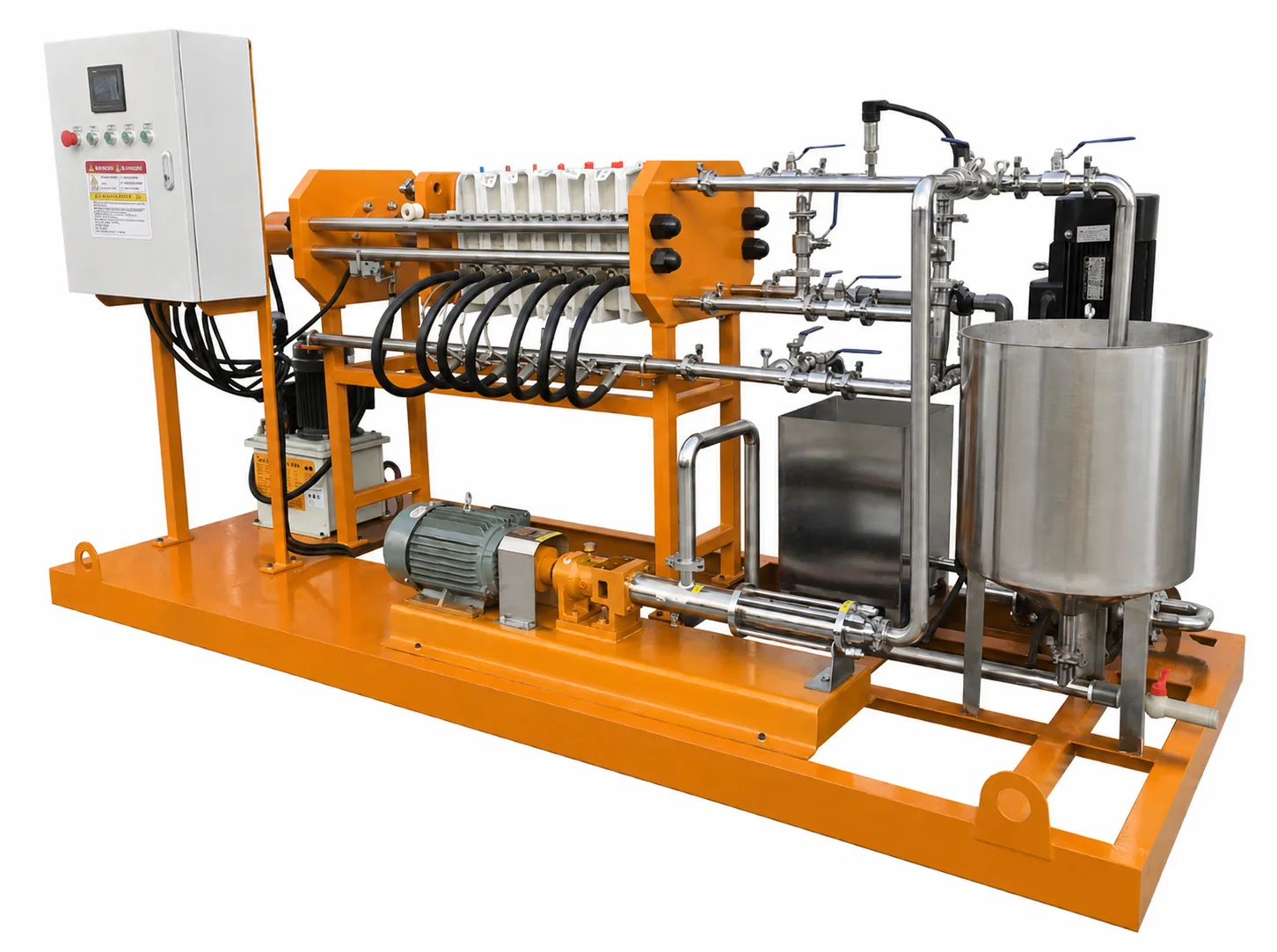
Pilot testing
Small laboratory test filter press
Used for slurry trials, cloth selection, cake formation checks and process data collection before larger equipment sizing.
View sizing notes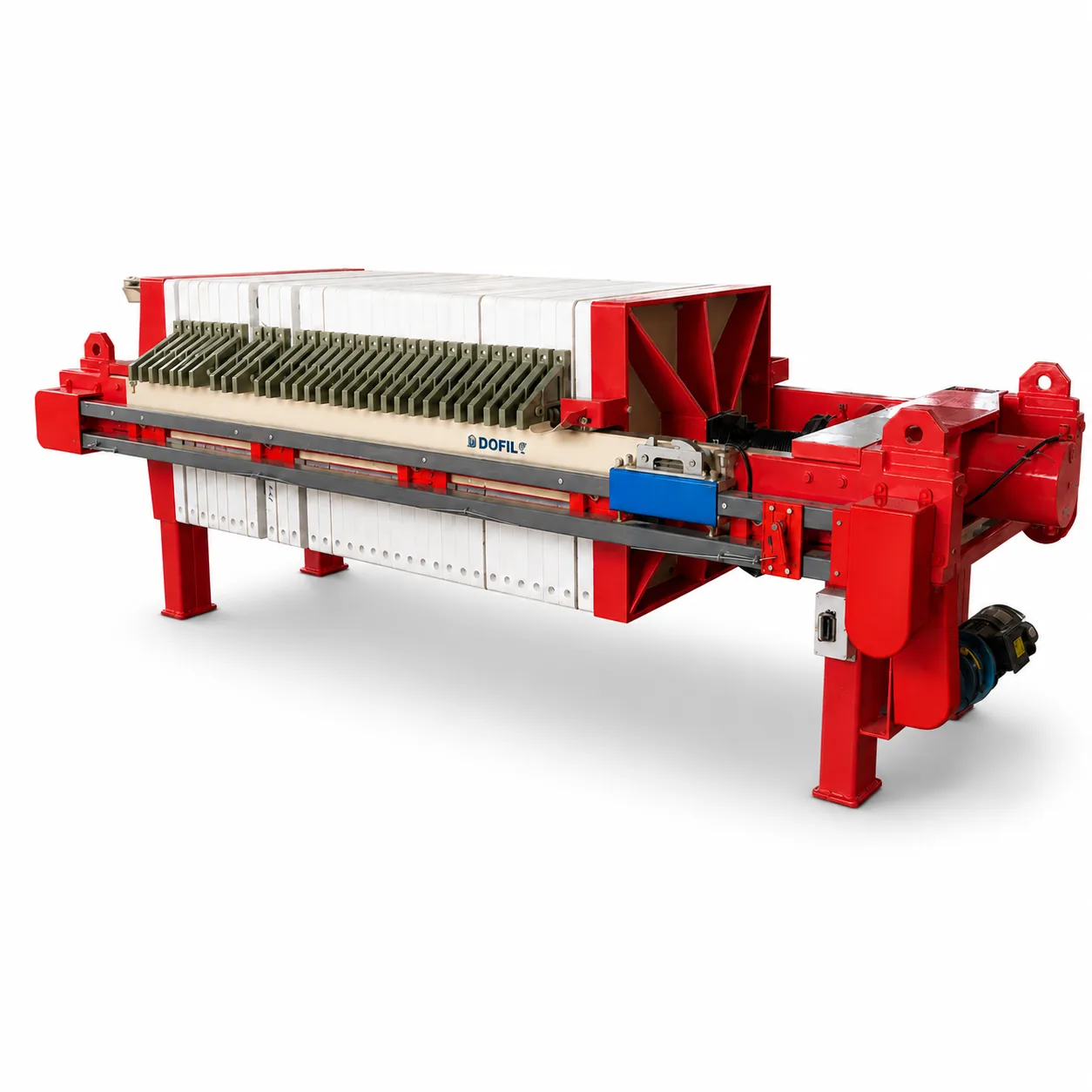
Compact automatic press
800 automatic chamber filter press
Suitable for smaller industrial slurry, wastewater sludge and process filtration where automatic plate shifting is required.
View sizing notes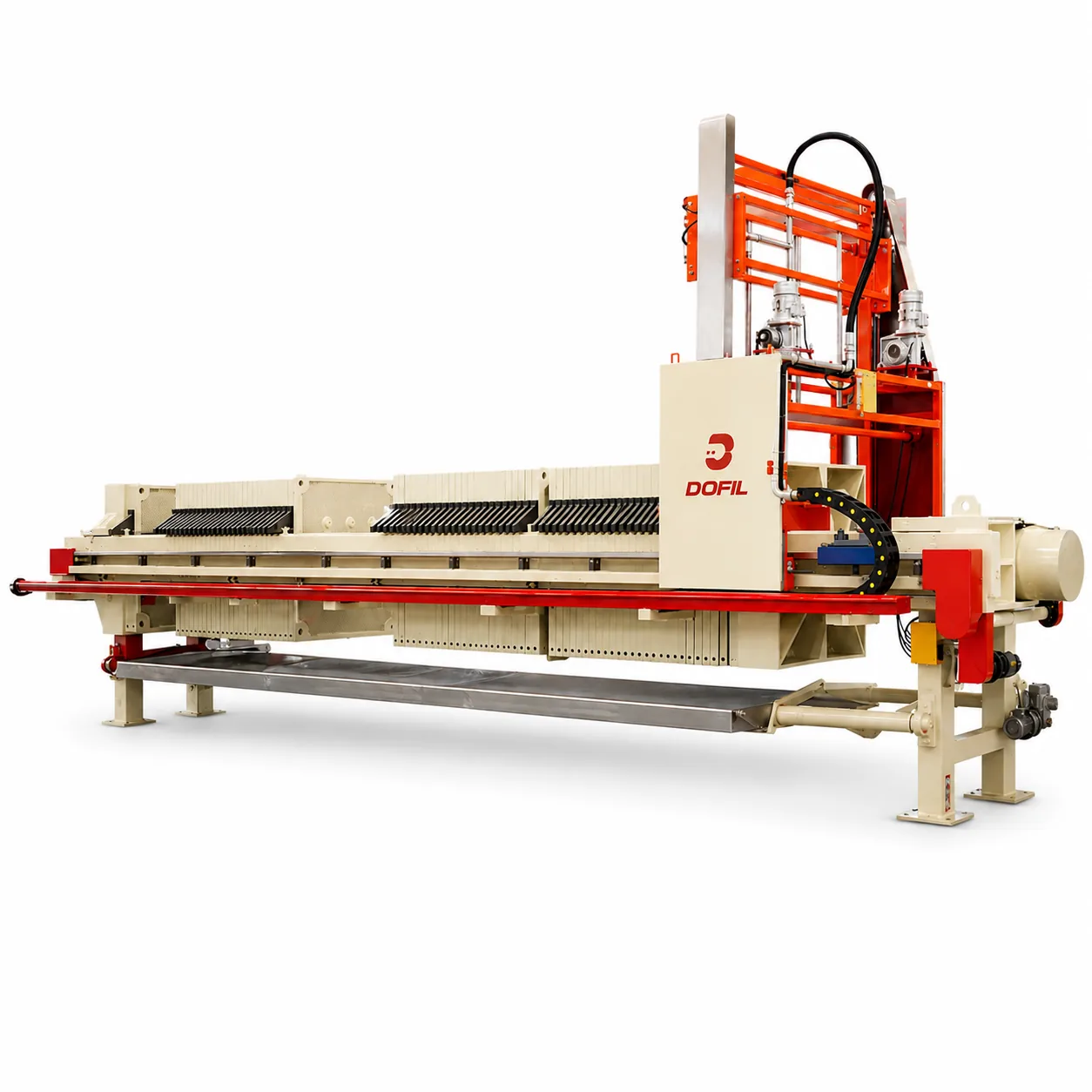
Cake washing option
1250 automatic water-washing filter press
Configured for applications that need filtration plus washing, with plate pack, wash route and discharge method reviewed together.
View sizing notes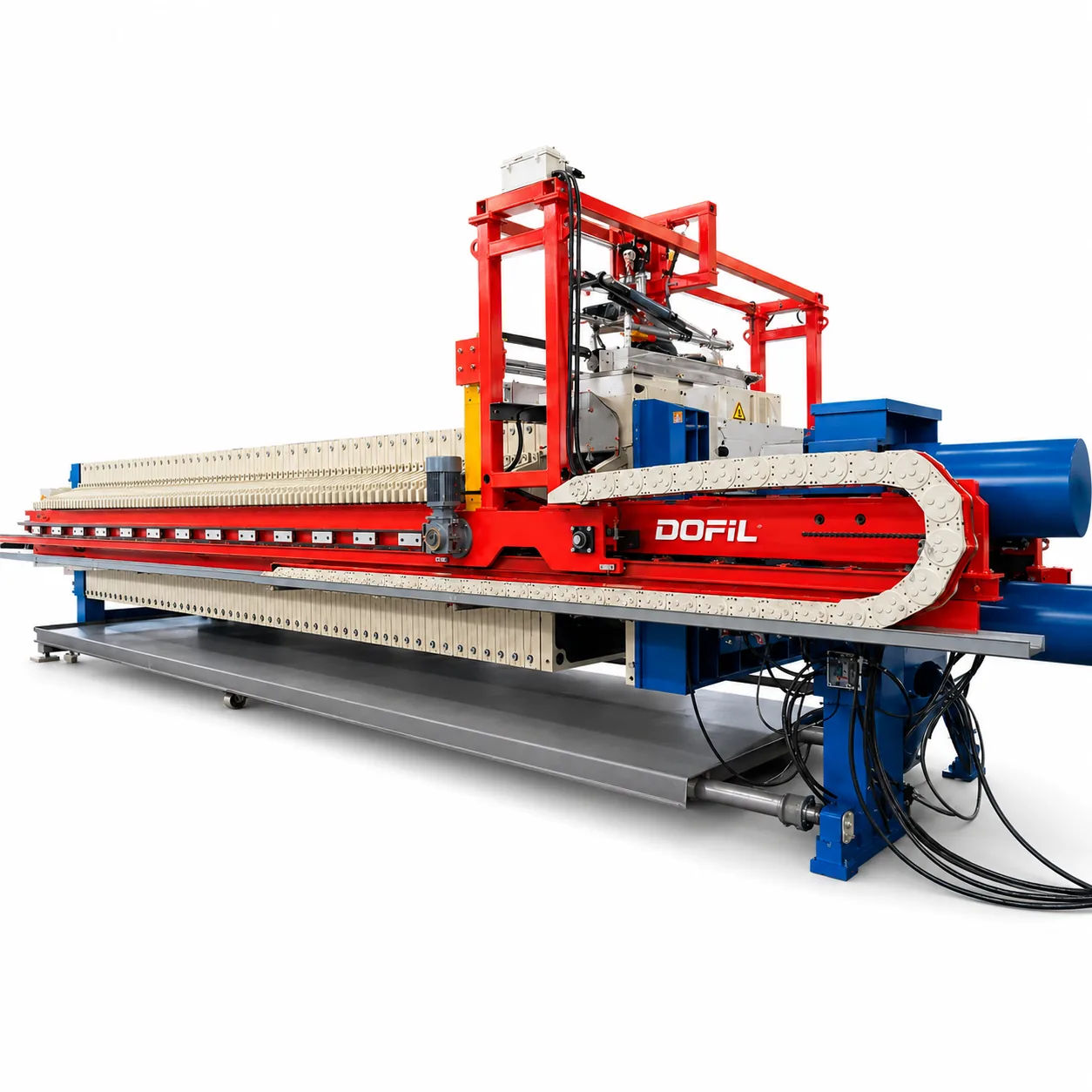
Lower cake moisture
1500 automatic membrane filter press
Selected when higher squeezing pressure, shorter cycles and lower residual cake moisture are important to the project.
View sizing notes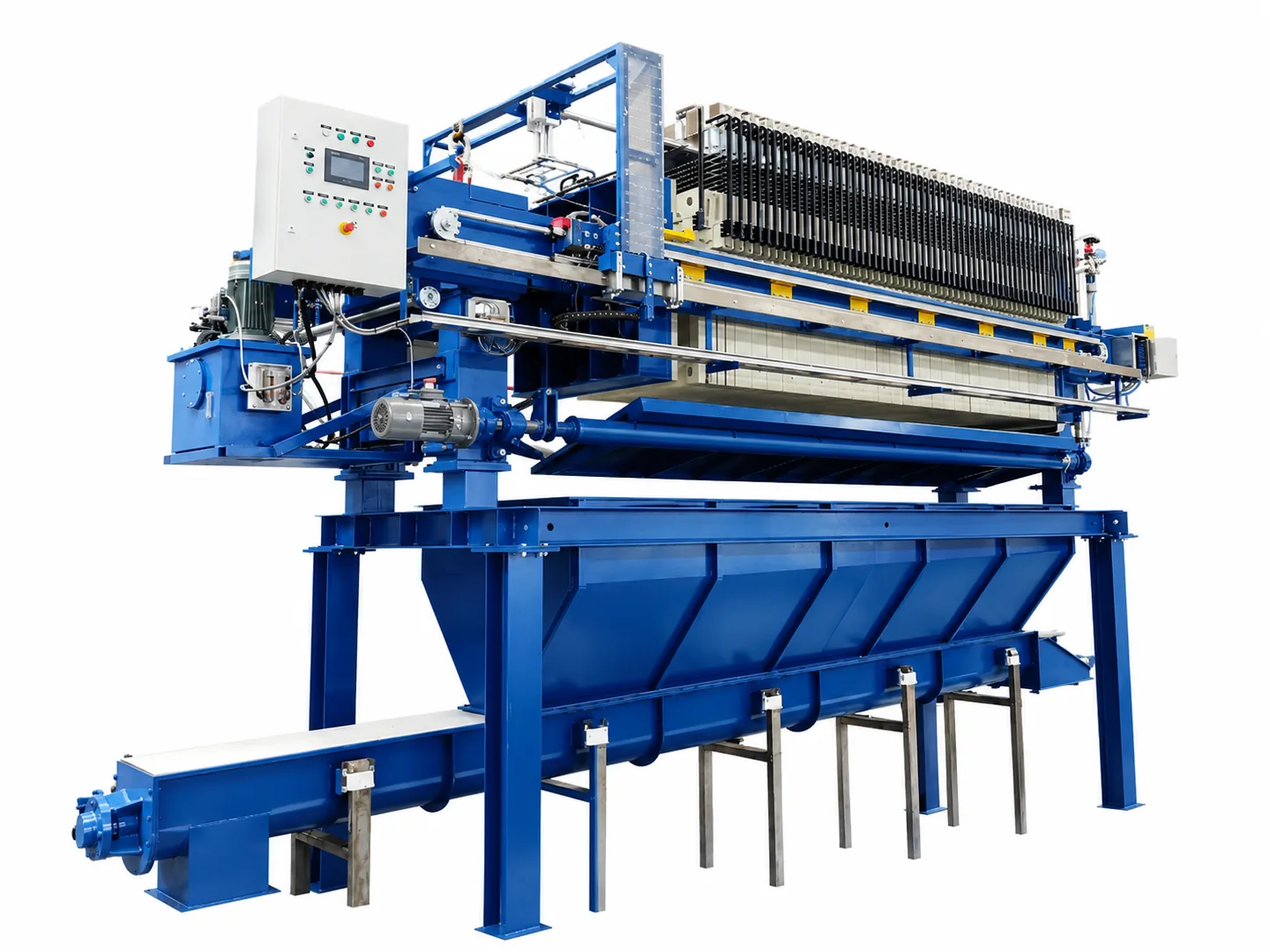
Cake discharge support
Filter press with conveyor
Selected when the cake needs to be discharged and transferred continuously under the filter press.
View details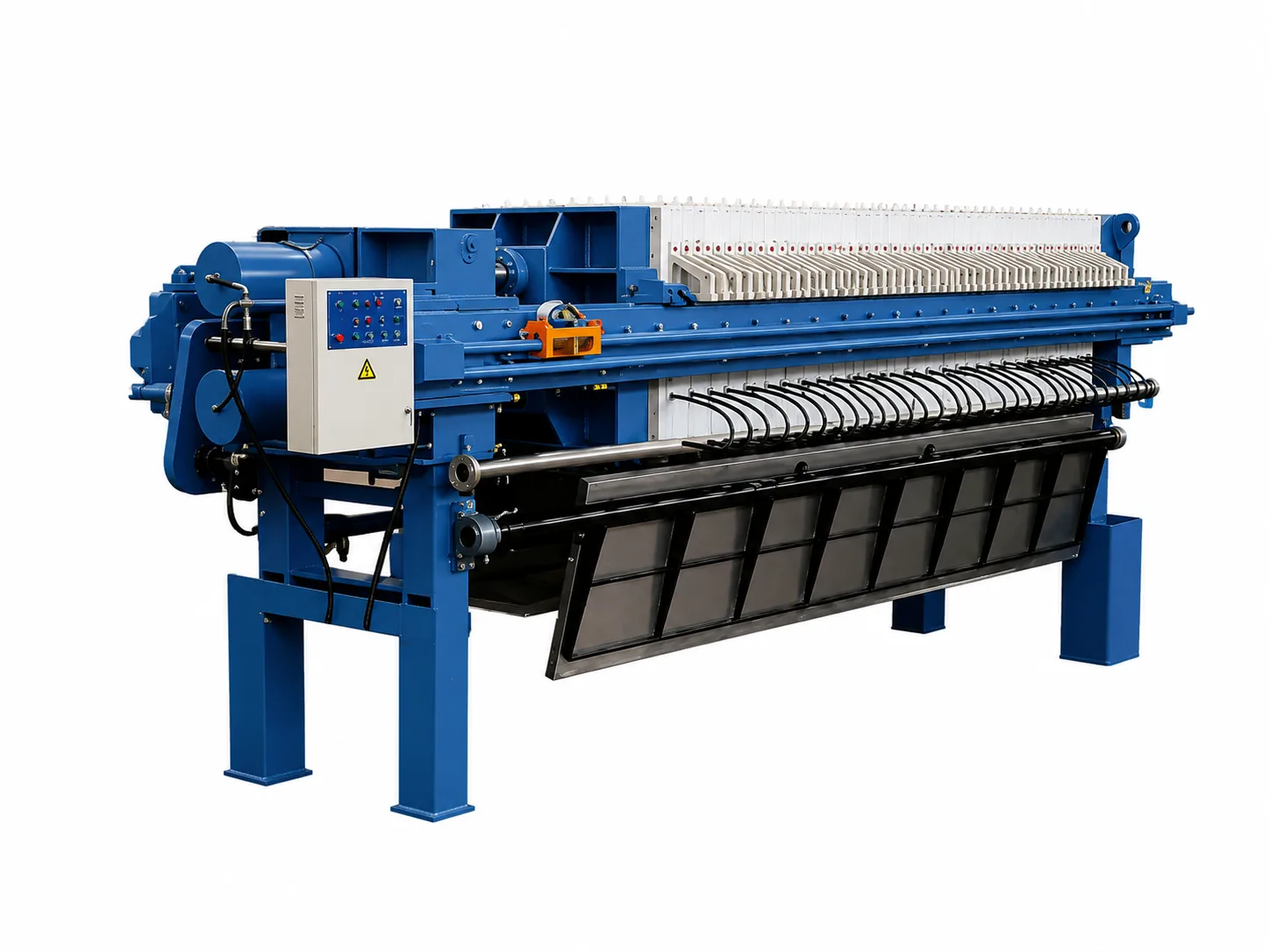
High pressure squeezing
High-pressure membrane filter press
Used when higher squeeze pressure and lower residual moisture are required after filtration.
View details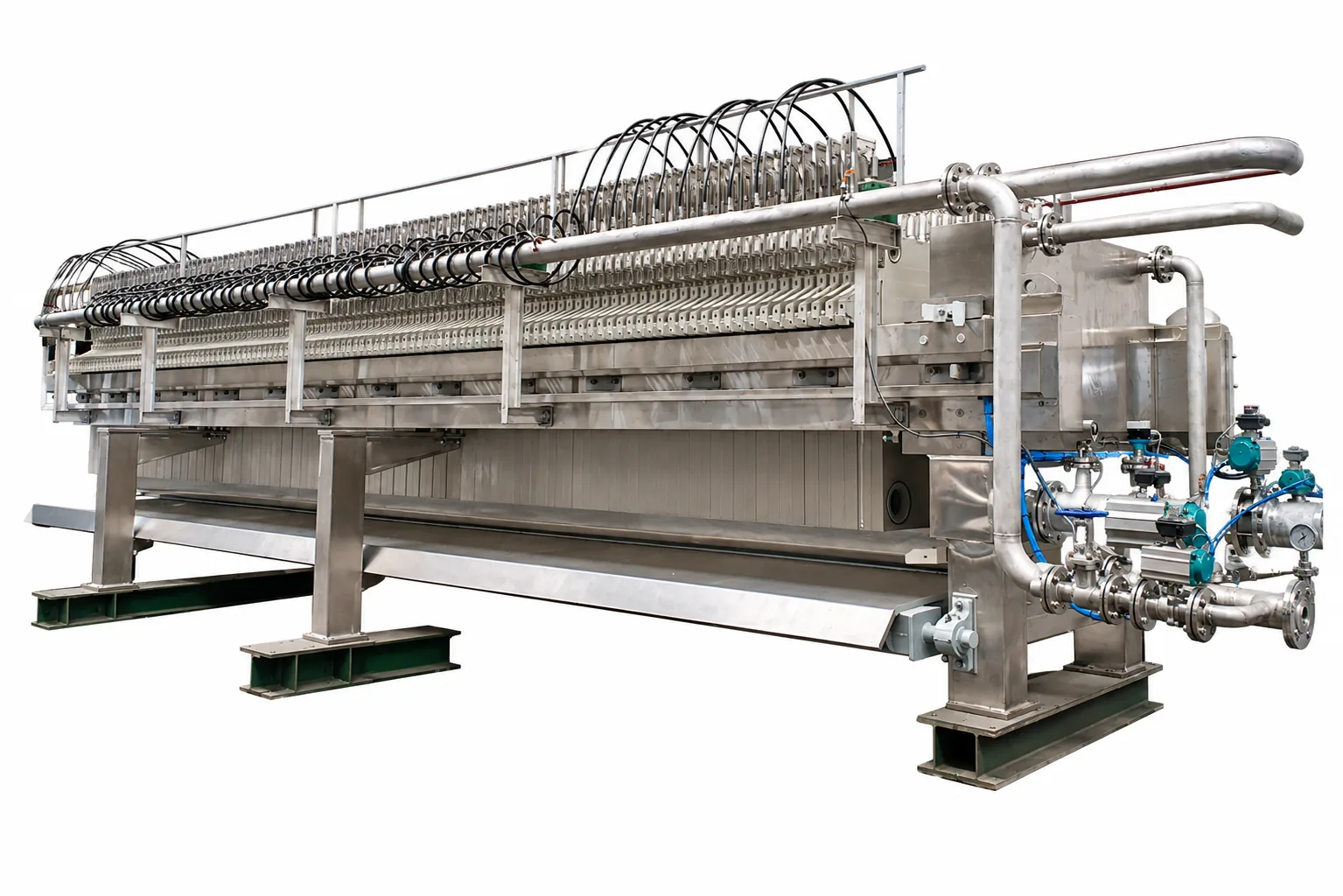
Food grade structure
Food-grade stainless steel filter press
Built with stainless steel contact and exterior parts for food, beverage and sanitary process filtration.
View details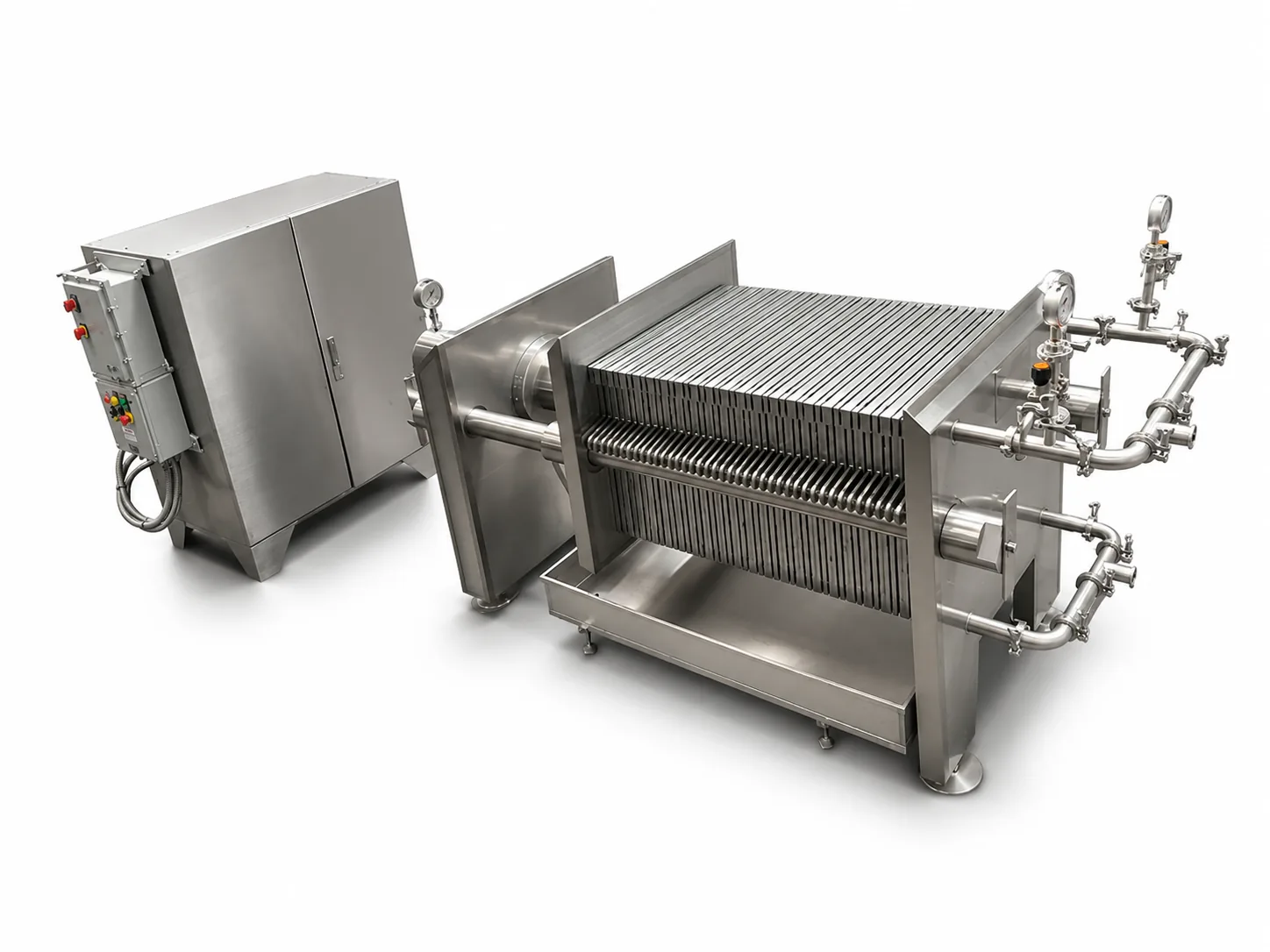
Special process duty
Explosion-proof stainless steel filter press
Configured for chemical or solvent-related filtration where stainless steel structure and explosion-proof controls are required.
Ask for sizingProduct details
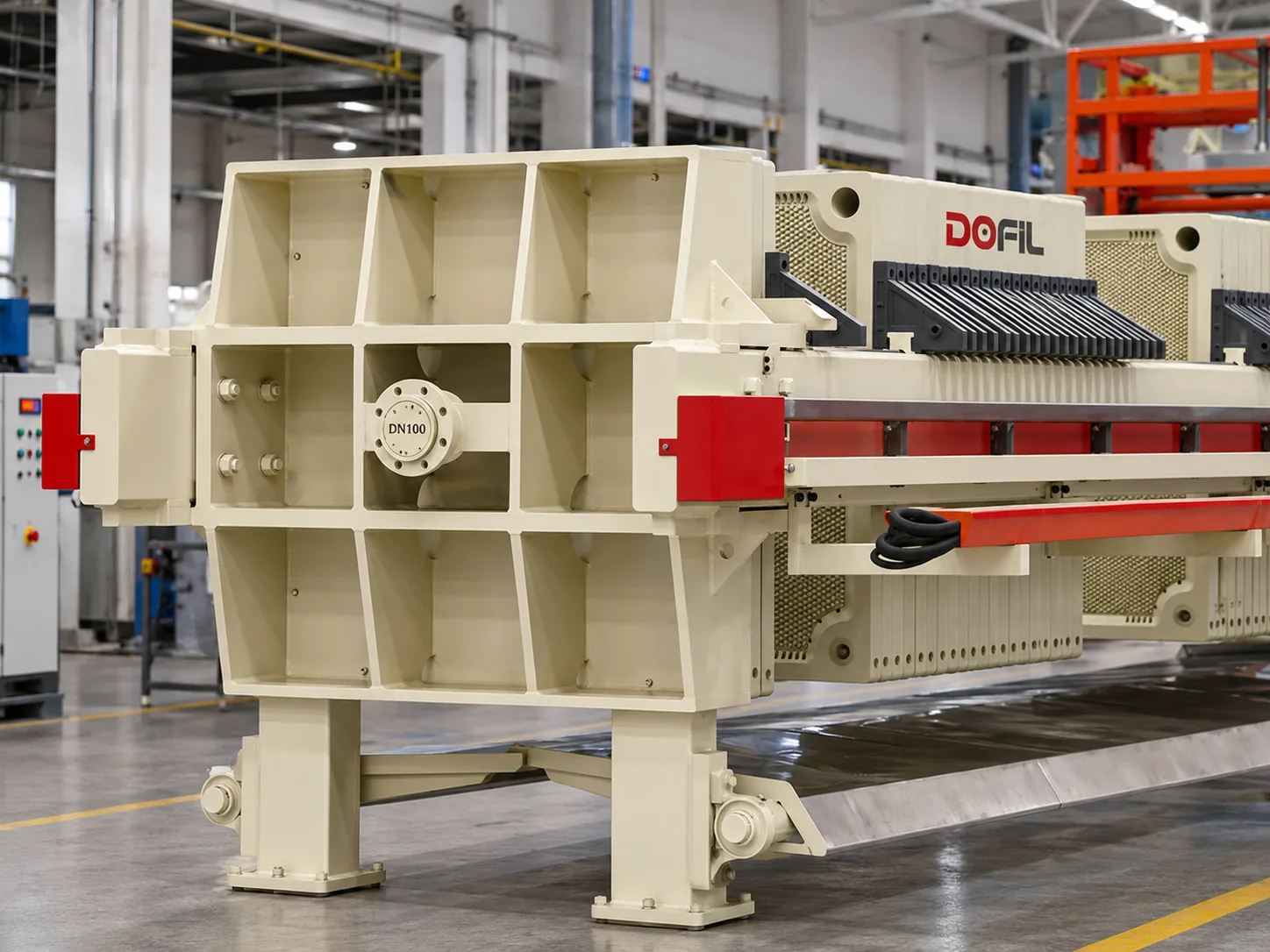
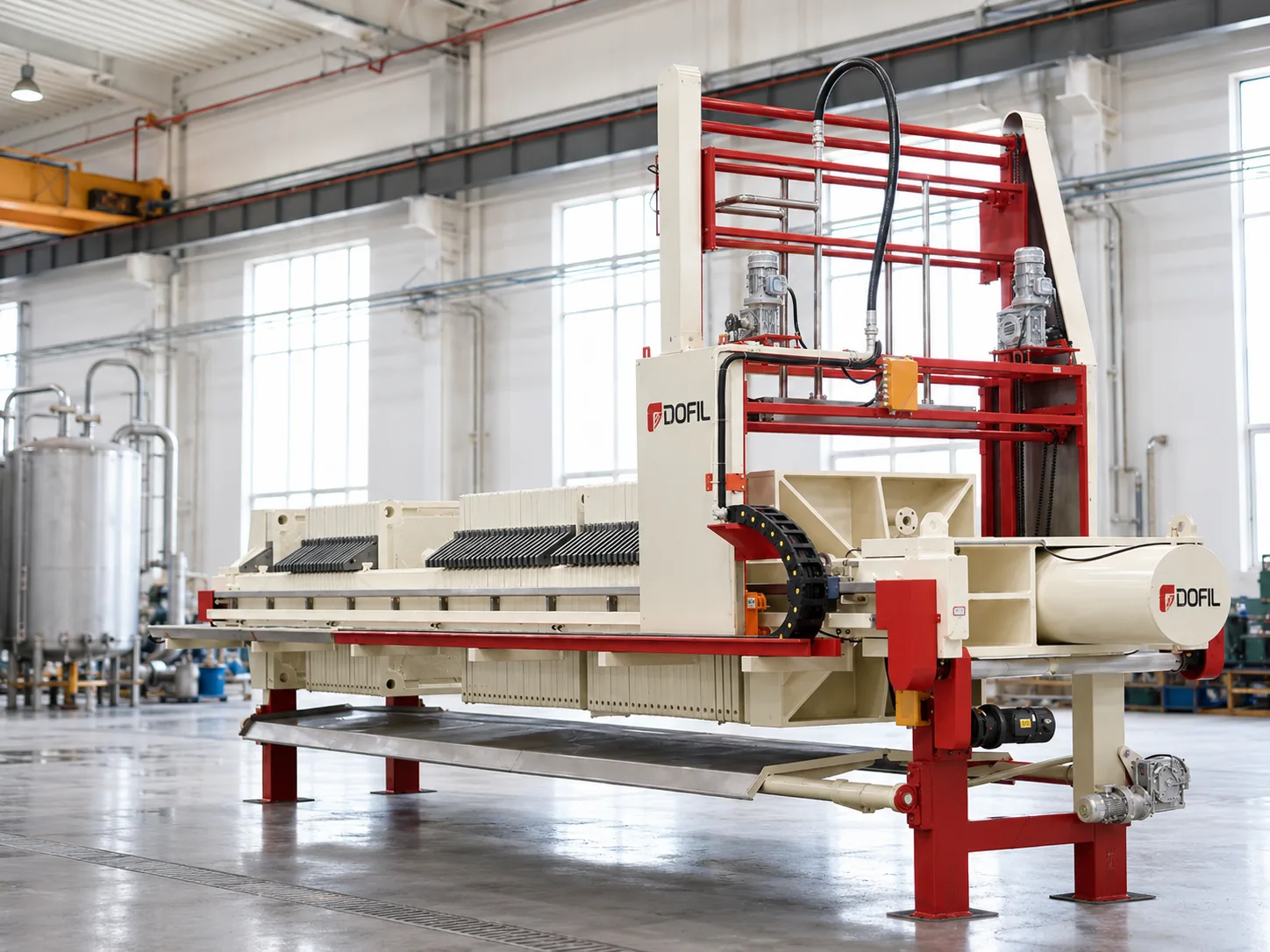
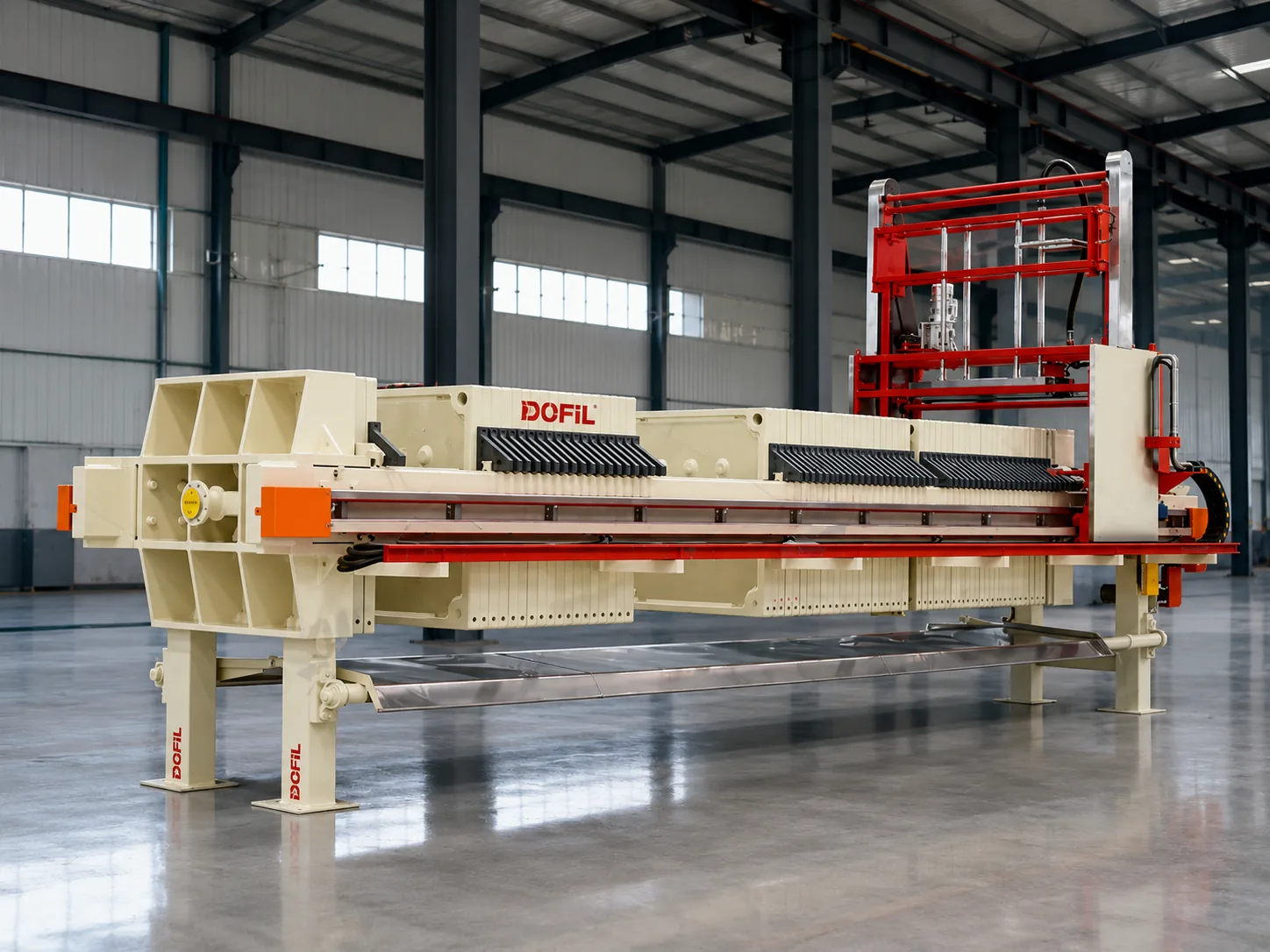
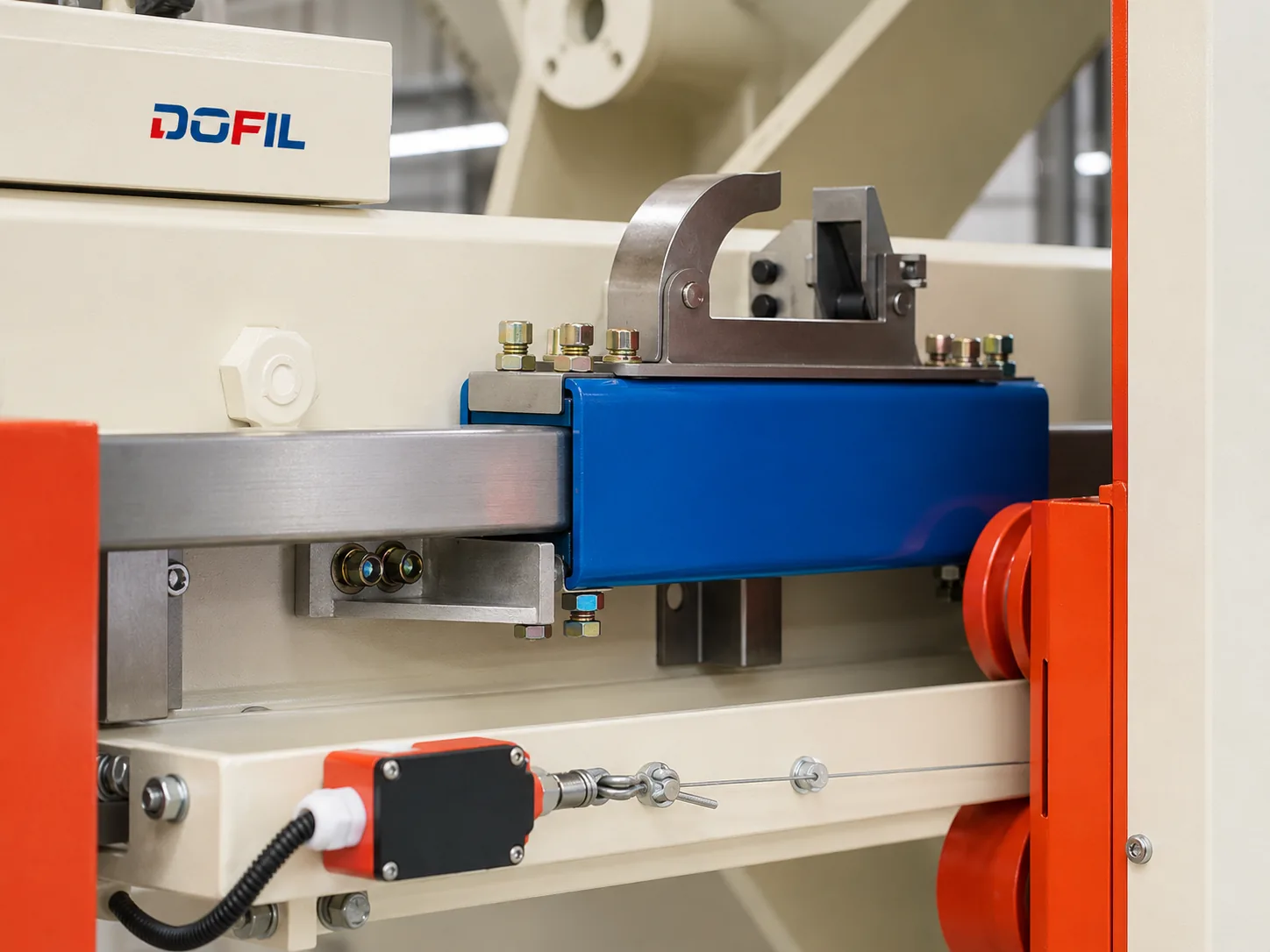
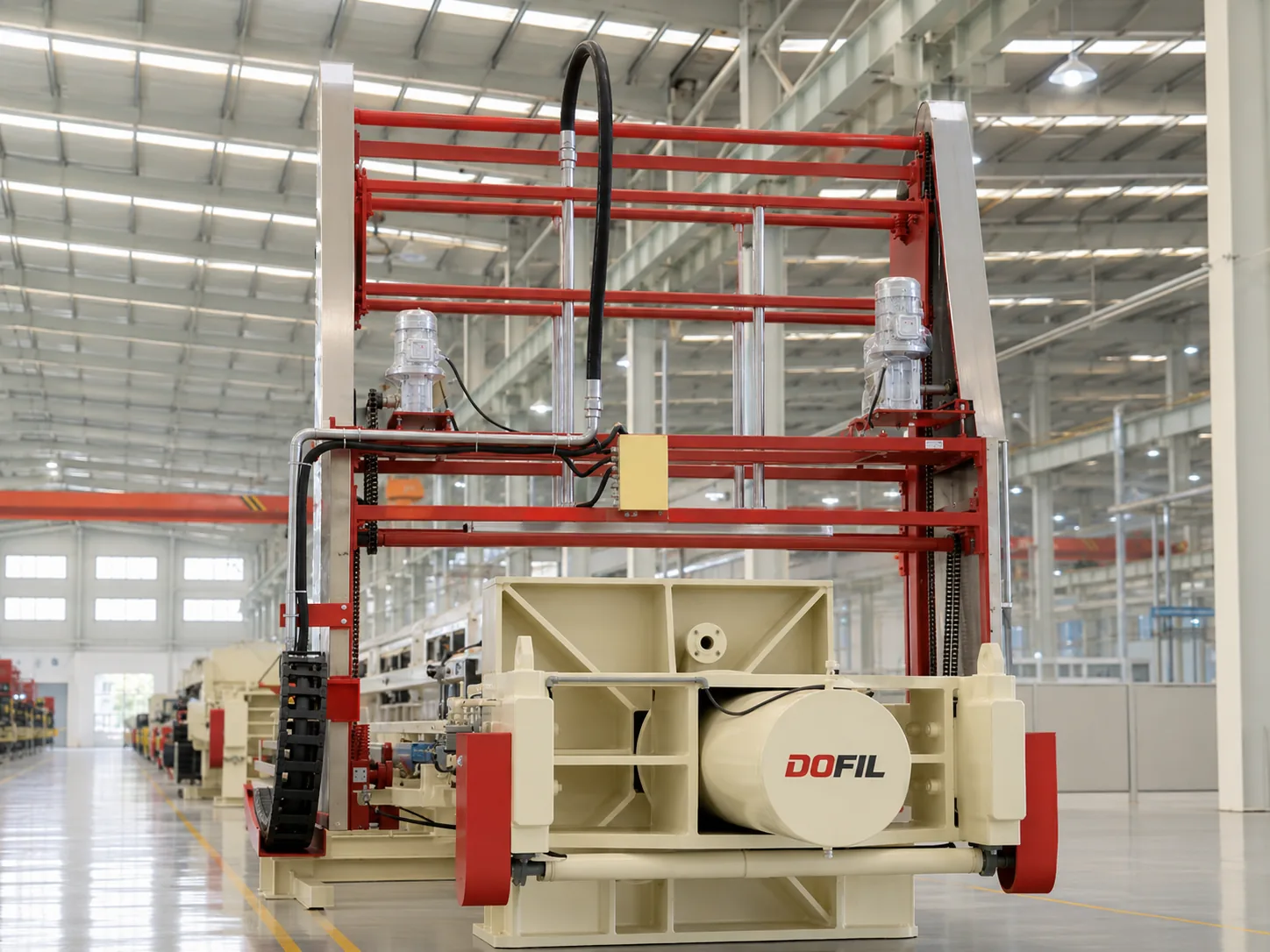
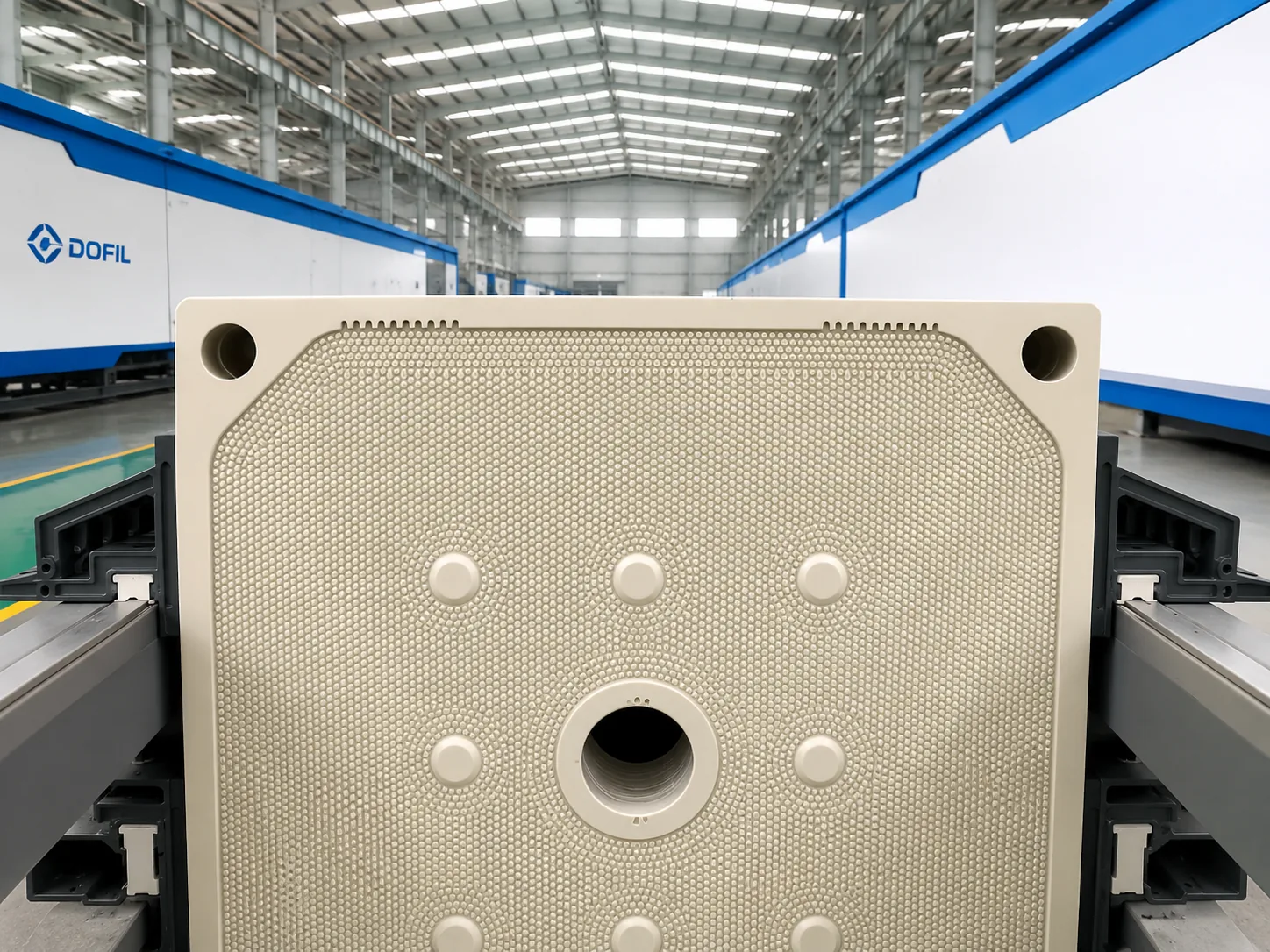
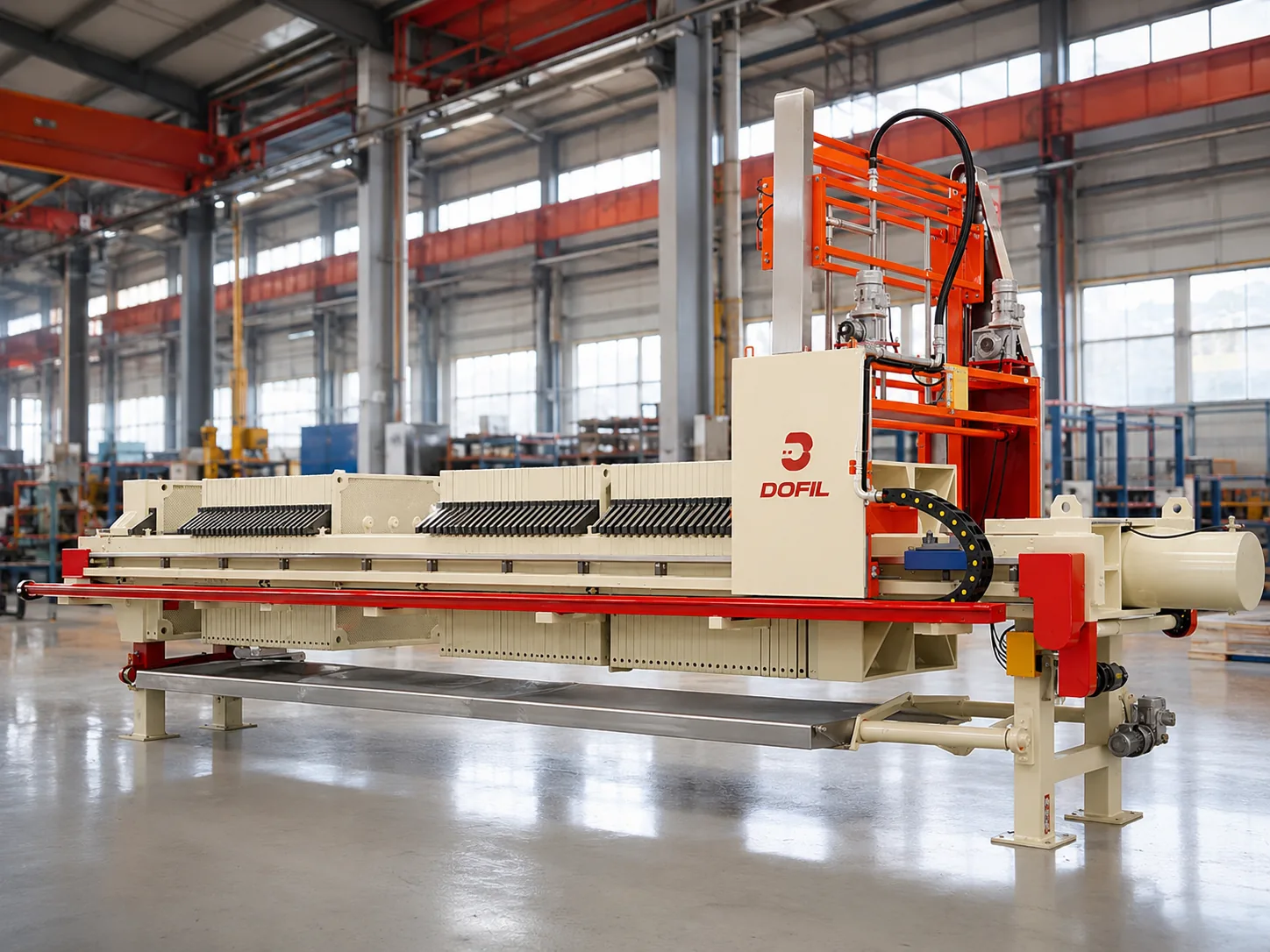
Machine details that should be checked before confirming a filter press
A filter press proposal should not rely only on model names. The feed end, hydraulic closing system, plate shifting structure, drip tray, plate pack and operation space all affect long-term maintenance.
Technical parameters
Typical specification range for chamber and membrane filter presses
The following values are used as a practical starting point. Final data should be confirmed according to slurry test, cake thickness, filtration area, working pressure, local power and the required automation level.
Press typeRecessed chamber filter press, membrane filter press, automatic hydraulic filter press
Plate size630, 800, 1000, 1250, 1500, 2000 mm; larger sizes reviewed by project
Filtration areaApproximately 20-1000 m² depending on plate size, chamber depth and plate quantity
Filter plate materialReinforced PP chamber plate, PP membrane plate or rubber membrane plate by application
Feed pressureCommonly 0.6-1.0 MPa; higher pressure configuration checked by slurry and press structure
Membrane squeezeAir or water squeezing system selected when lower cake moisture is required
Plate shiftingManual, semi-automatic or automatic plate pulling according to press size and cycle frequency
Control systemLocal control cabinet, PLC control, hydraulic closing, pressure holding and optional remote signals
Optional equipmentFeed pump, drip tray, cloth washing, cake conveyor, platform, guard rail, slurry tank and pipeline valves
ApplicationsMining tailings, coal washing, wastewater sludge, chemical slurry, ceramic slurry and industrial process filtration
Selection logic
When to choose chamber type, and when to choose membrane type
A chamber press is often enough when the material forms cake easily and the moisture target is moderate. A membrane press is more suitable when the buyer needs extra squeezing after feeding, lower residual moisture, better cake discharge or a shorter operating cycle.
Choose chamber press when
The slurry is stable, cake moisture target is not extreme, project budget is sensitive and maintenance should stay simple.
Choose membrane press when
Cake dryness, washing effect, cycle time or difficult cake release has a direct effect on operating cost.
Ask for test data when
The slurry is new, particle size changes, solids content is unstable or chemical compatibility is uncertain.
Confirm layout before order
Discharge height, pump position, maintenance aisle, platform, foundation and local power supply should be reviewed early.
Factory and site reference
Evidence from production, delivery and installed filter press systems
For filter press projects, buyers often need to see more than a finished rendering. Workshop assembly, packing, loading and operating-site photos help confirm machine scale, delivery ability and installation details.
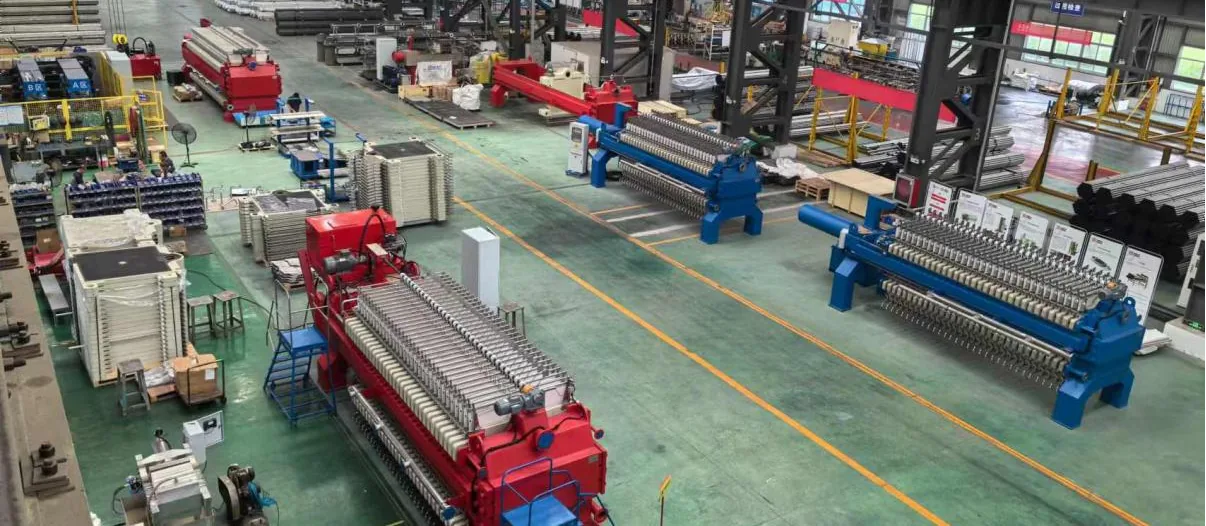
Factory productionWorkshop overview with multiple filter press units and plate packs.
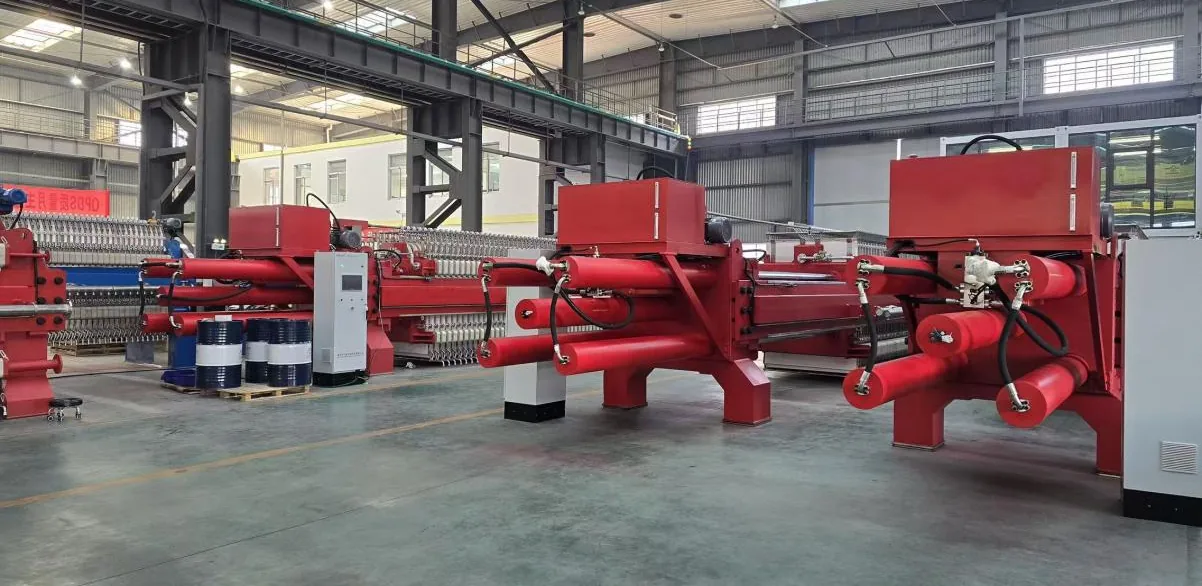
Assembly checkFrame, hydraulic station and plate pack reviewed before delivery.
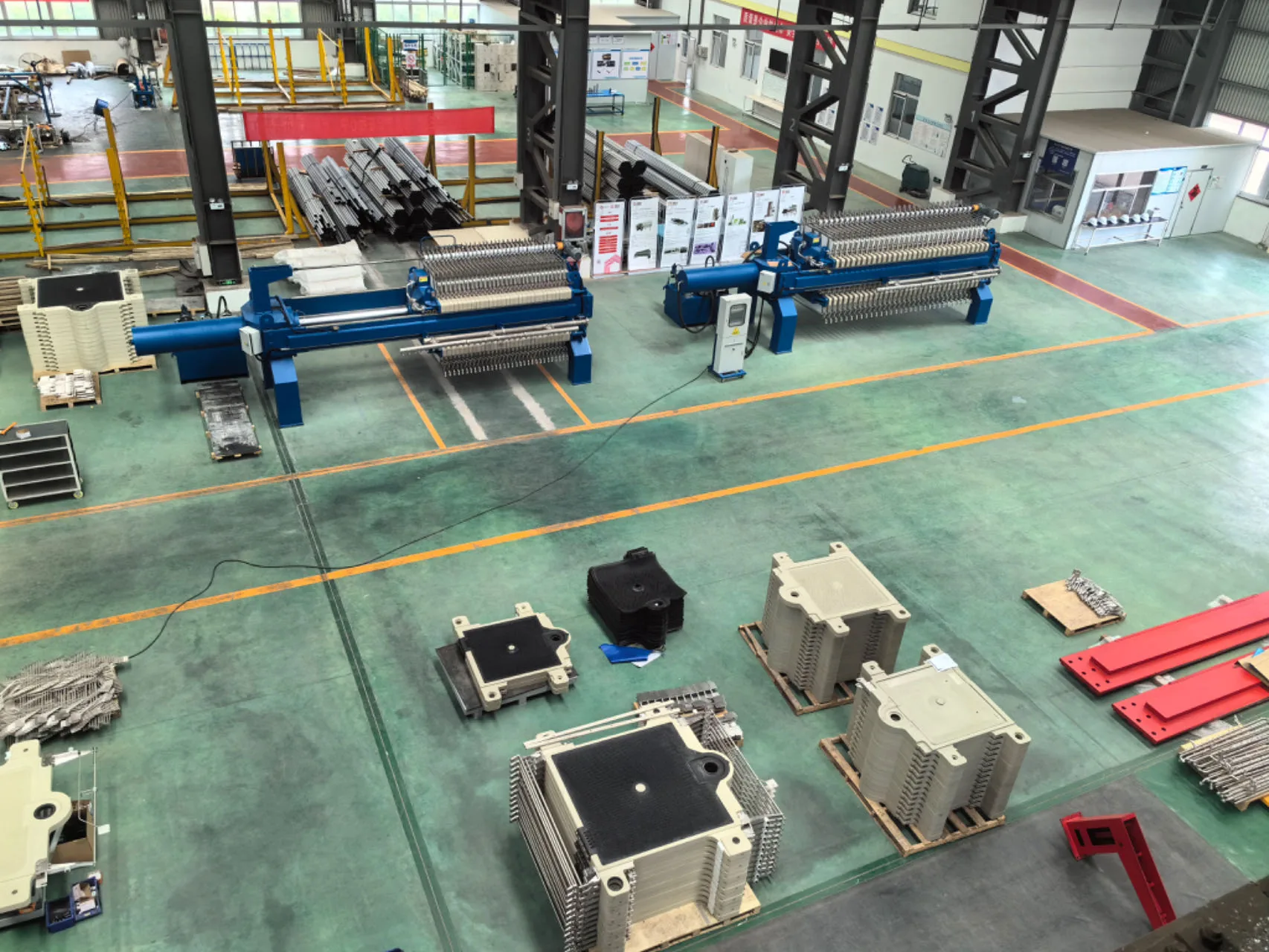
Production checkWorkshop photos help verify practical build progress.
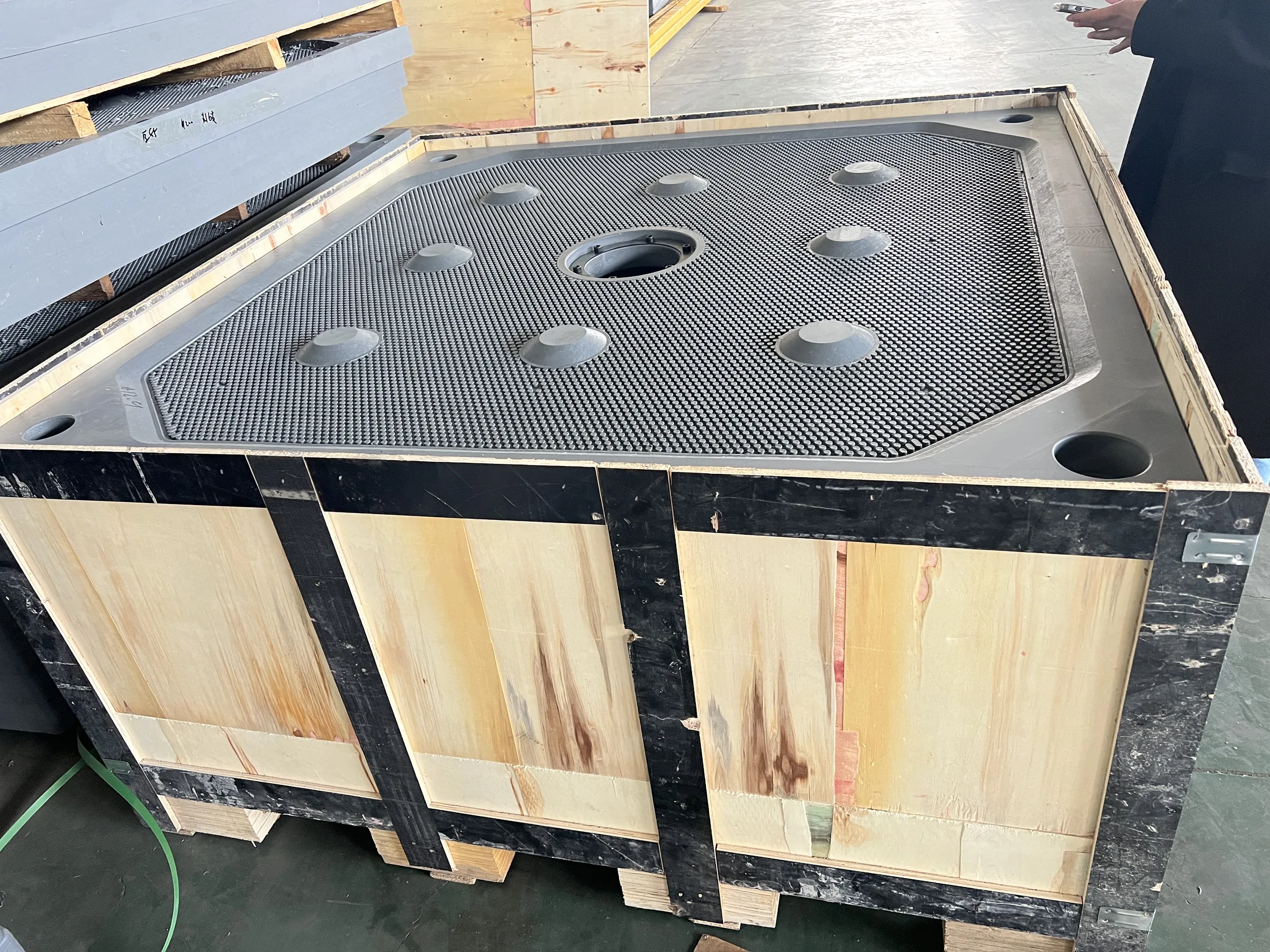
Export packingFilter plates and key parts packed for transport protection.
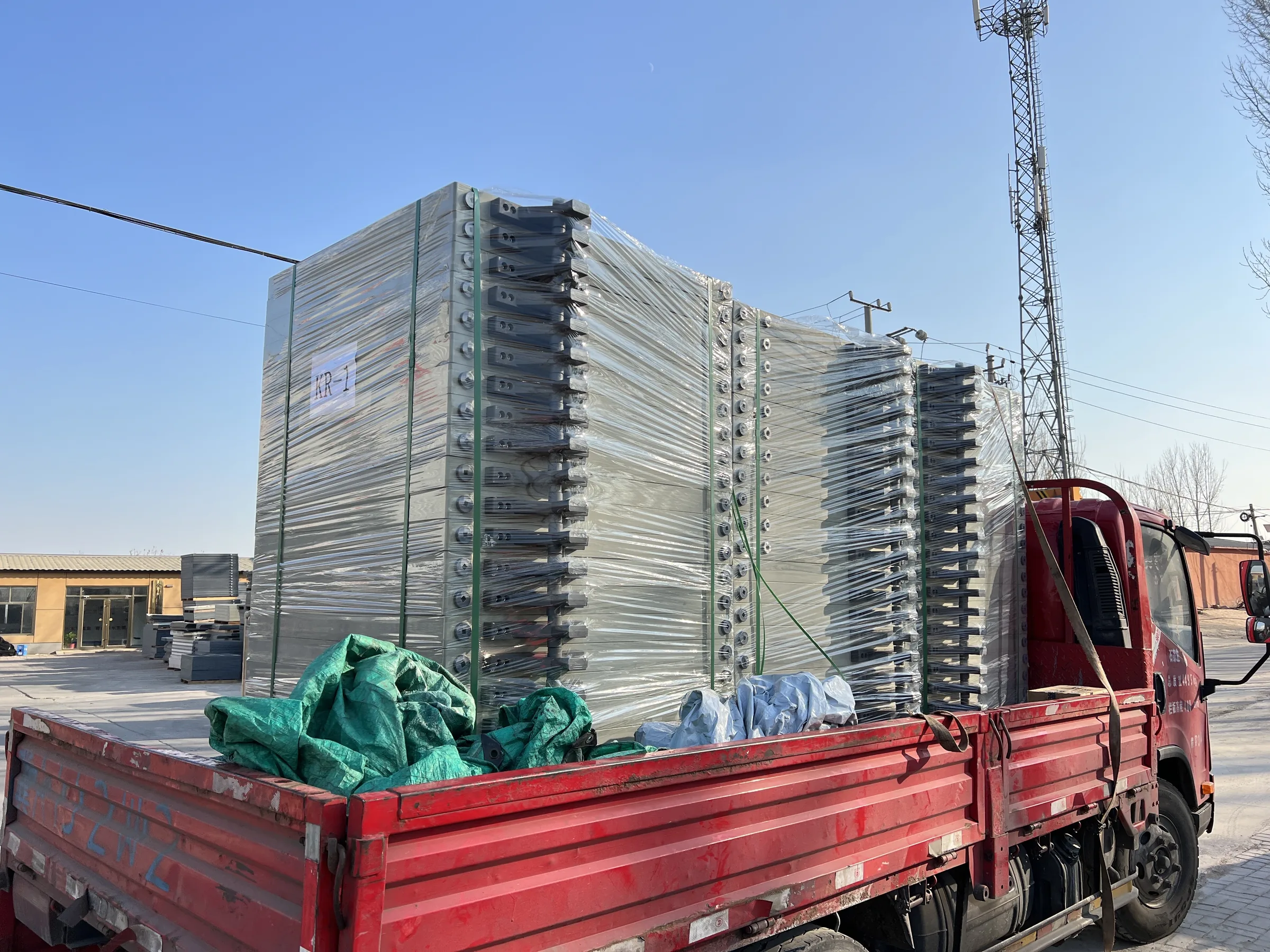
Loading and deliveryPlate packs strapped and prepared for project shipment.
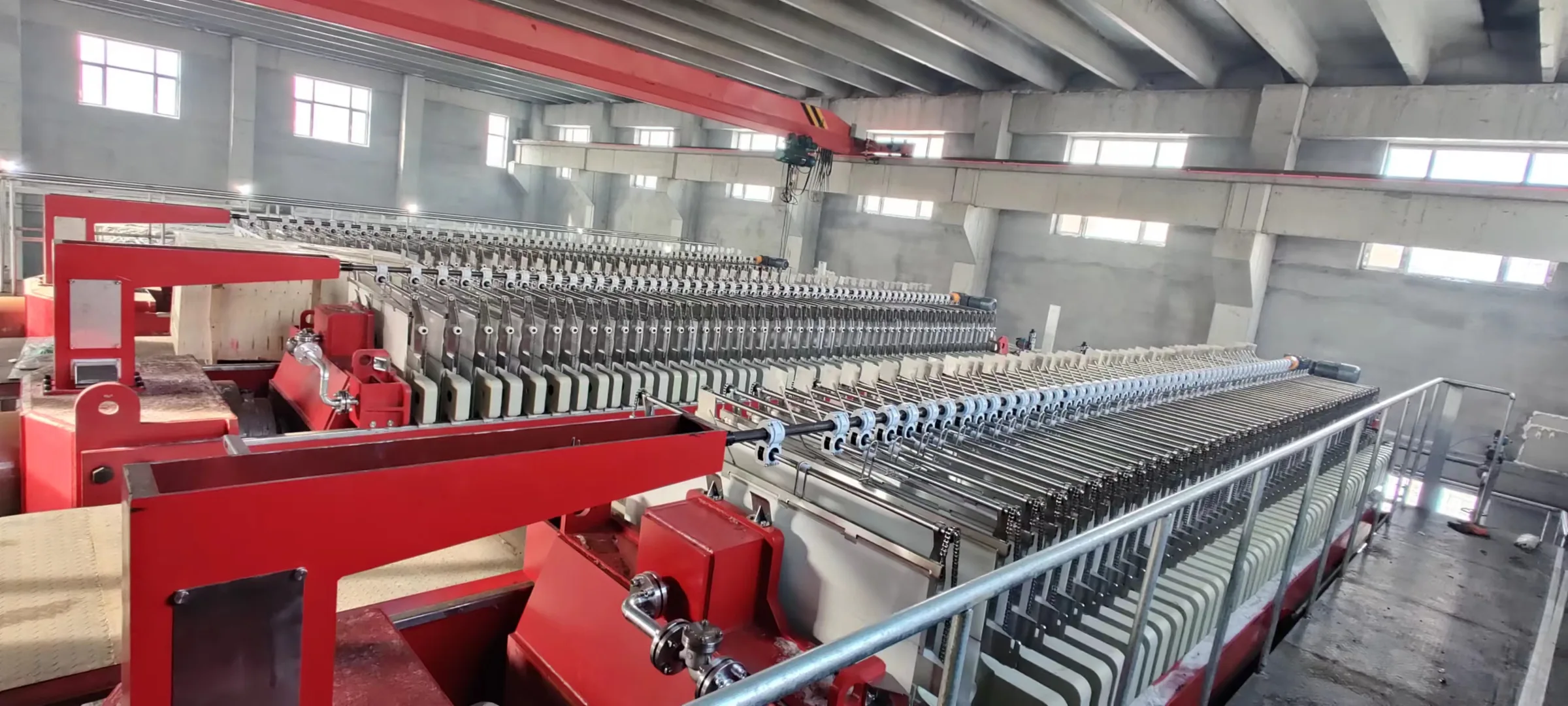
Installed filter pressSite photos show platform, plate pack and operating access.
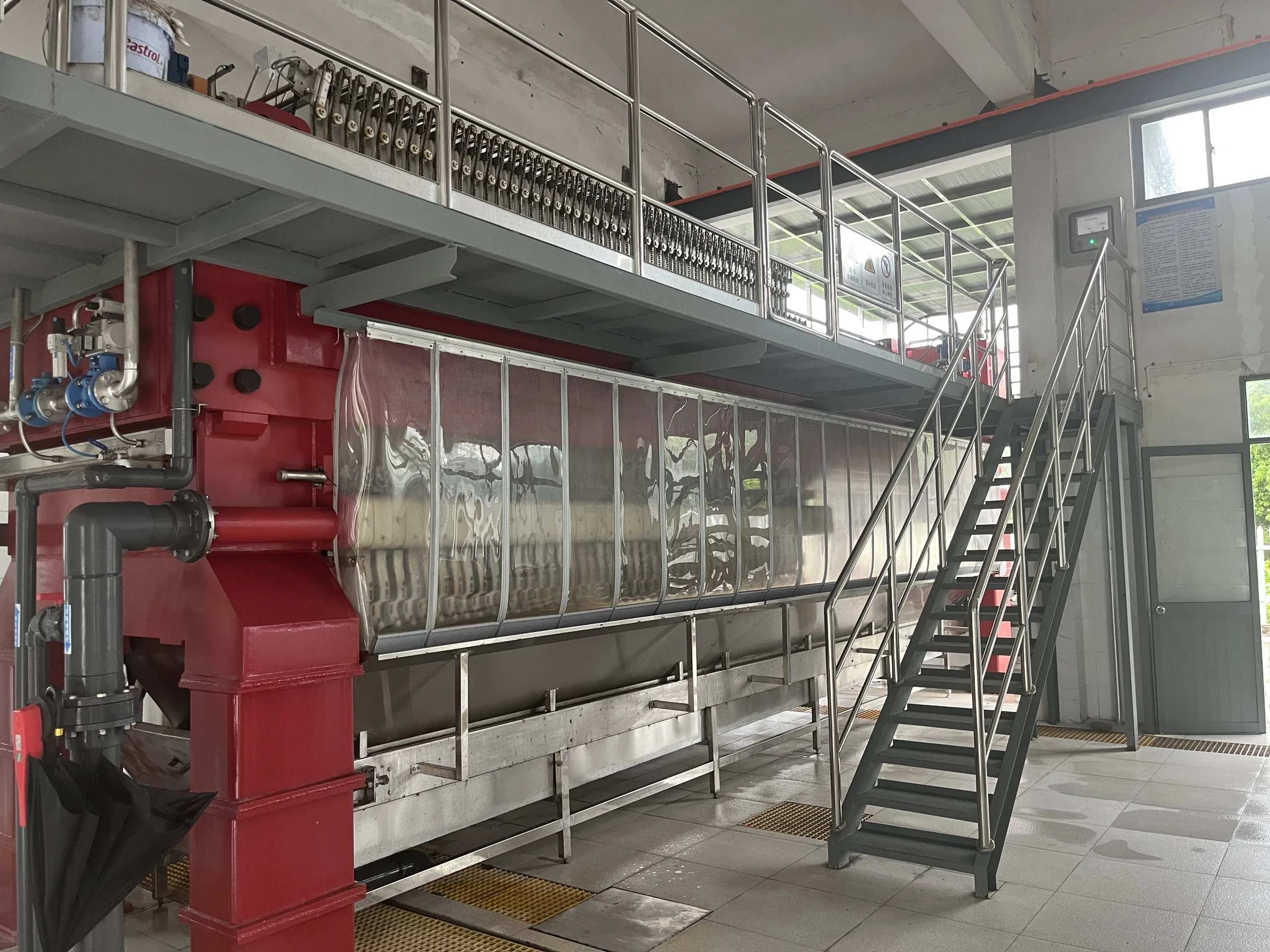
Site operation layoutStairs, access space and drip tray arrangement matter after installation.
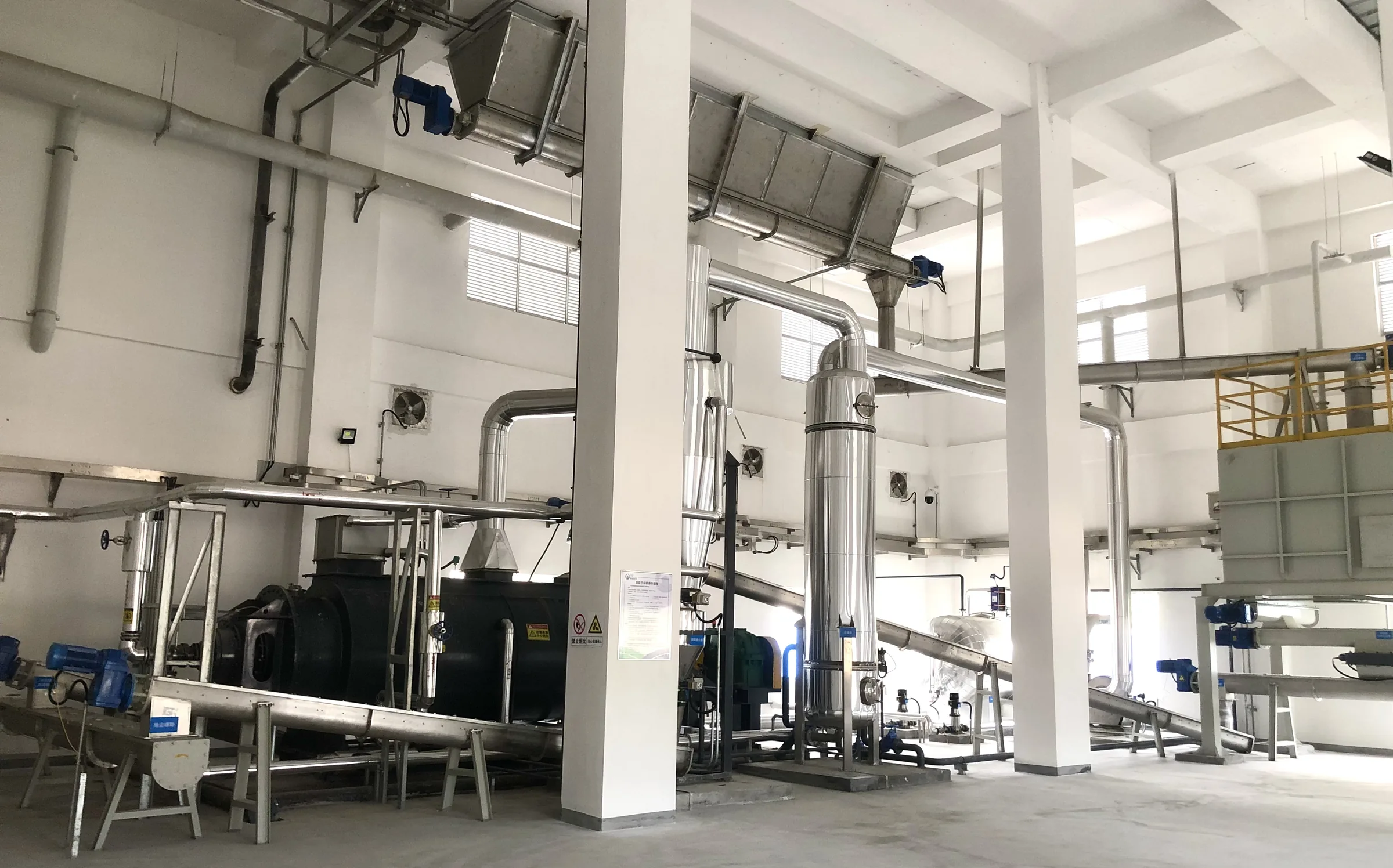
Auxiliary systemFeed, piping and support equipment are reviewed with the press.
Related projects
Compare filter press layouts used for different operating conditions
Project notes show the information reviewed before equipment selection. They are useful for comparing filtration area, site constraints, automation level and maintenance requirements.
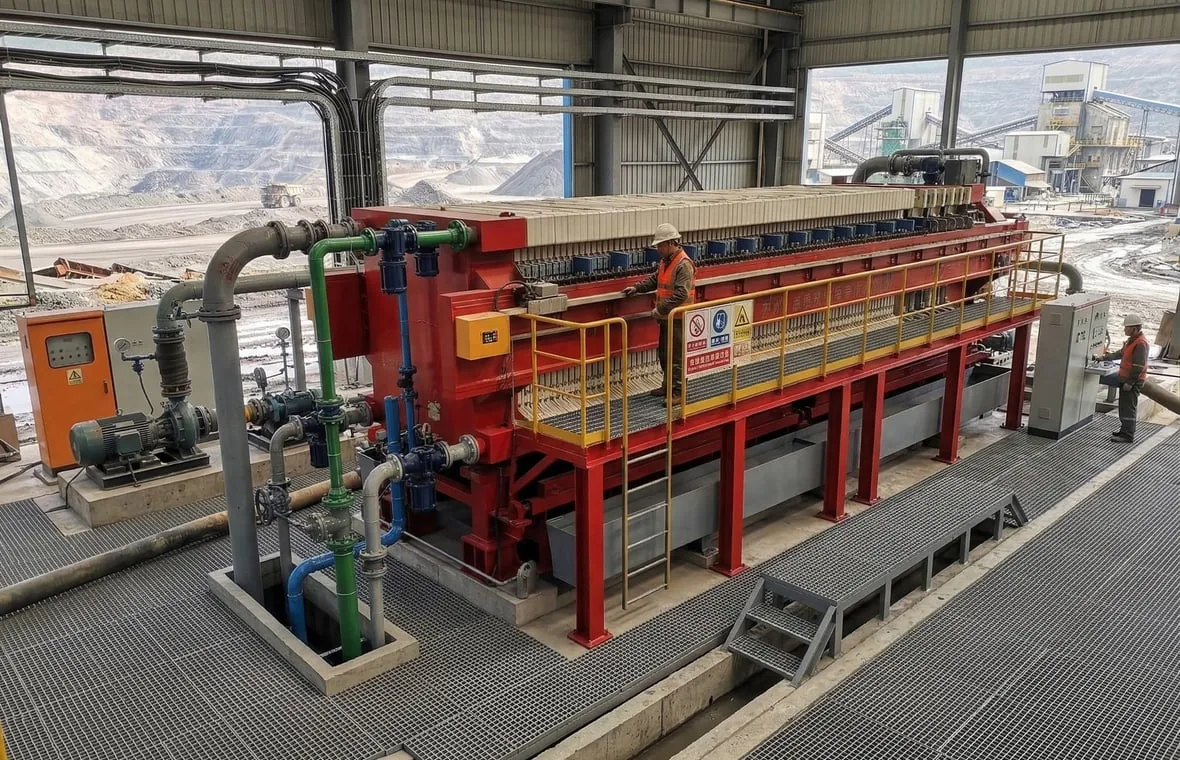
Automatic filter press
1250 automatic press with 200 m² filtration area
Plate size, filtration area, discharge access and site operation were reviewed as one layout.
Read project note →
Wastewater upgrade
Skid-mounted dewatering equipment for a constrained site
The press, pump, piping and control arrangement were considered before the package layout.
Read project note →
Membrane press maintenance
Large diaphragm membrane supply for repeat operating duty
Working pressure, plate interface, membrane condition and maintenance quantity were checked before supply.
Read project note →Quotation checklist
Information needed before sizing a filter press
A reliable proposal needs more than a capacity number. Send slurry information, target result and site limits so the press, filter plate, cloth, pump and control level can be matched together.
Material name, solids content, particle size, pH and temperature
Feed volume per hour or per day and expected operating hours
Target cake moisture, filtrate clarity and whether cake washing is needed
Available floor space, discharge height, power supply and automation preference
Existing press model, plate size or site photos if this is a replacement project
Filter press selection FAQ
Direct answers before requesting a technical proposal
These questions cover the information that most often changes equipment size, operating cycle and the final dewatering result.
What information is needed to size an industrial filter press?
Useful sizing data includes slurry name, solids concentration, particle size, pH, temperature, feed volume, operating hours, target cake moisture, filtrate requirement, site space, power supply and the preferred automation level.
When should a membrane filter press be selected instead of a chamber filter press?
A membrane press is normally considered when additional squeezing can reduce cake moisture, shorten the cycle, improve cake release or support cake washing. A chamber press is often sufficient for stable slurry that forms cake easily and has a moderate moisture target.
What determines the final cake moisture?
Cake moisture depends on slurry solids, particle-size distribution, compressibility, feed pressure, filtration time, cake thickness, filter cloth, membrane squeeze conditions and washing requirements. It should not be guaranteed from the press model alone.
Can the system include pumps, conveyors, washing and controls?
Yes. The press can be reviewed together with the plate pack, filter cloth, feed pump, hydraulic station, PLC controls, drip tray, cloth washing, cake conveyor, platform, tanks, valves and piping.
Request a technical proposal
Send slurry data or site photos before choosing a model number
DOFIL can review chamber press, membrane press, filter plates, cloth and auxiliary equipment as one dewatering package.