Blog
Filter Plate Replacement at a Coal Washing Plant: Why It Is More Than a Spare Parts Job
At a coal washing plant, filter plate replacement is often seen as a routine maintenance task. In real operation, however, it is much more than that.
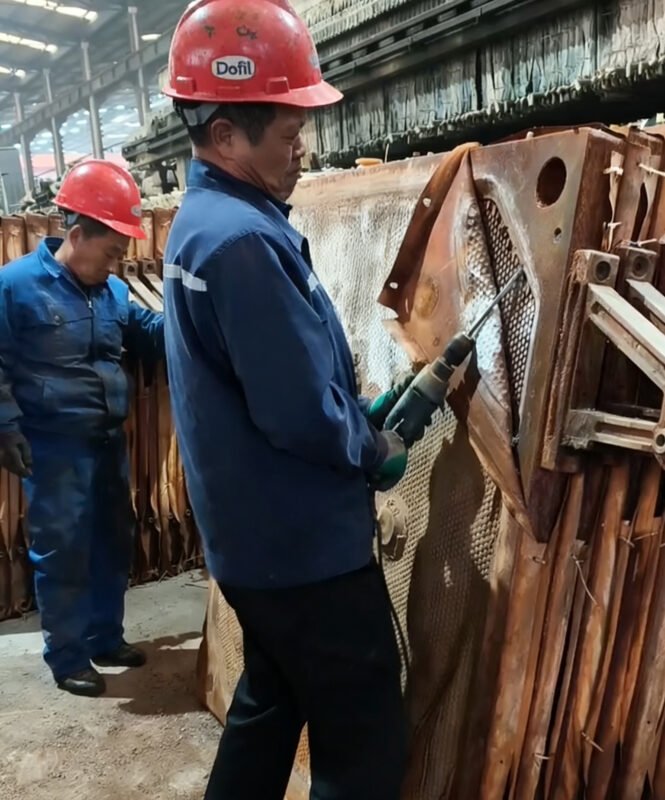
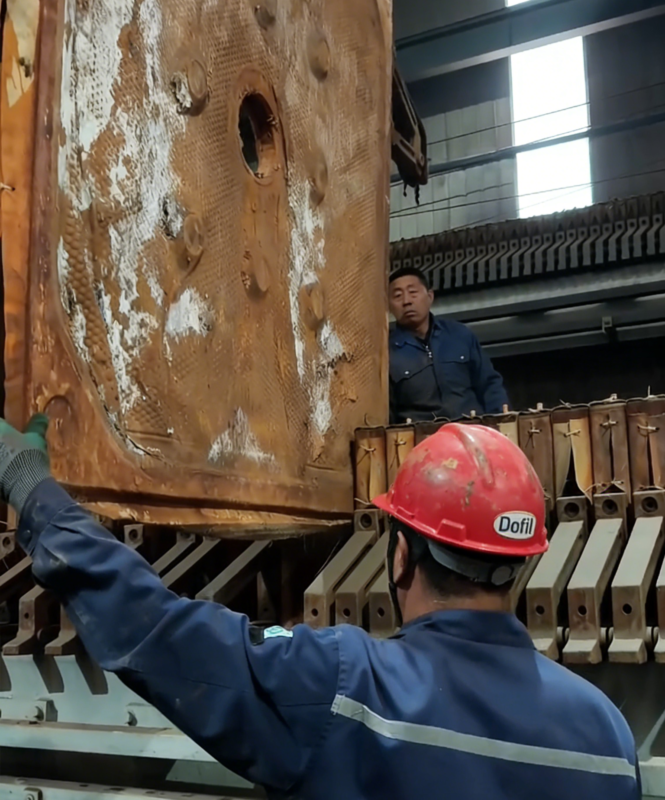
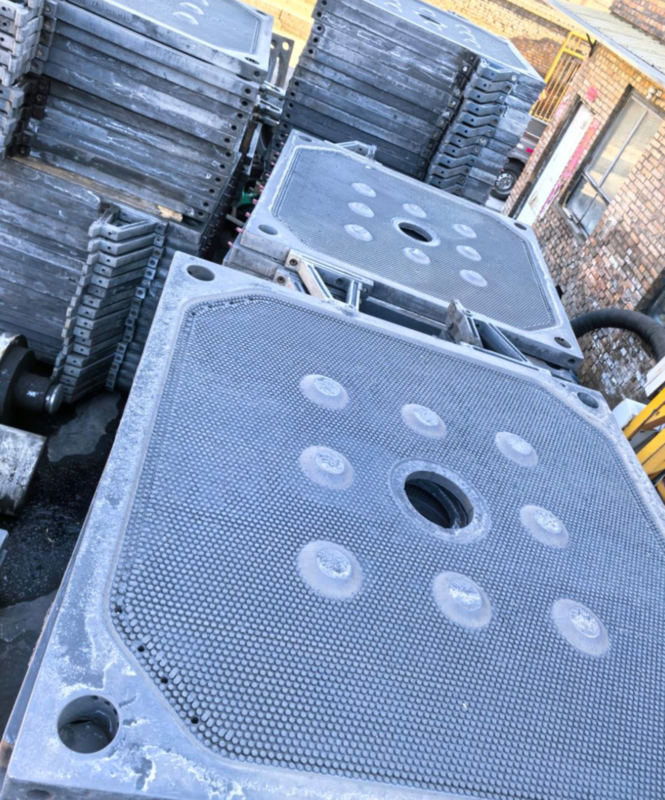
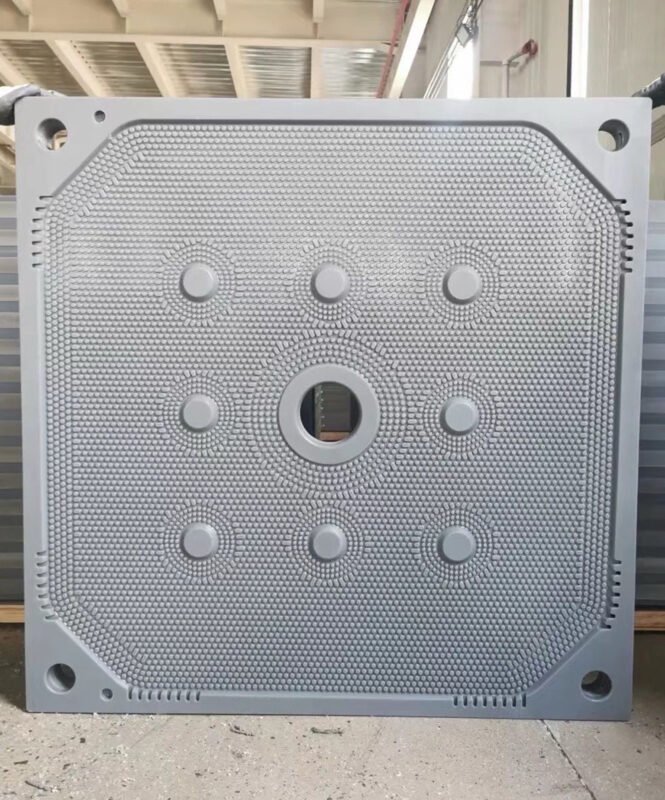
At Dofil Filtration, we recently supported a shutdown project for a coal washing customer, supplying and configuring 150 pcs of 1500 × 1500 mm filter plates for the filter press system. This project once again showed that filter plate replacement is not simply about changing worn parts. It is about restoring the stability of the entire dewatering line.
Why filter plate replacement matters in coal washing
In coal slurry dewatering, filter plates work under continuous mechanical pressure, slurry abrasion, and repeated opening and closing cycles. Over time, worn or deformed plates can create a chain of operating problems, including:
leakage during filtration
longer filter press cycle times
unstable cake discharge
more frequent cleaning and adjustments
increased risk of unplanned downtime
These issues do not only affect one plate. They can reduce the performance of the whole filter press and increase maintenance pressure across the plant.
Project overview
For this coal washing plant project, the Dofil team supported the customer with:
150 pcs of 1500 × 1500 mm filter plates
shutdown replacement support
on-site coordination for installation and fit
focus on restoring sealing stability and operating consistency
The customer’s goal was not only to replace old plates, but to improve the reliability of the press after restart.
The real challenge: replacement vs. reliability
One common misunderstanding in filter press maintenance is to treat filter plates as ordinary spare parts. In practice, this approach can be risky.
The real question is not:
How fast can the plates be replaced?
The more important question is:
Will the filter press run better after the replacement?
In coal washing operations, even small deviations in plate condition can affect:
sealing performance
slurry distribution
cake discharge behavior
operating cycle stability
That is why filter plate replacement should always be considered from a plant reliability perspective, not only from a spare parts perspective.
How Dofil Filtration supports filter plate replacement projects
At Dofil Filtration, we focus on practical operating results. For filter plate replacement projects in coal washing, mining, tailings dewatering, and sludge dewatering, our support is based on:
matching filter plates to real operating conditions
ensuring dimensional compatibility with the existing press
helping reduce leakage and downtime risk
improving long-term stability of filtration performance
For plant operators, the value of a filter plate is not just in the product itself, but in what it helps the system avoid: unplanned downtime, unstable operation, and unnecessary maintenance.

Conclusion
A filter plate is never “just a plate.”
In a coal washing plant, it is a key part of filter press reliability.
This recent project reminded us again that what looks like a small replacement job on paper can directly affect the performance of the whole dewatering system. With the right replacement planning and execution, plants can reduce operating risk and improve long-term stability.
At Dofil Filtration, we believe filter plate replacement is not only maintenance work — it is reliability work.
FAQ
Why is filter plate replacement important in a coal washing plant?
Because worn or deformed filter plates can cause leakage, unstable cake discharge, longer cycle times, and unplanned downtime.
How many filter plates were supplied in this project?
This project included 150 pcs of 1500 × 1500 mm filter plates.
What problems can old filter plates cause?
Common issues include poor sealing, slurry leakage, unstable operation, more cleaning work, and lower dewatering efficiency.
What does Dofil Filtration provide for this kind of project?
Dofil Filtration supplies filter plates and supports customers with replacement coordination, compatibility checks, and filtration reliability improvement.