Blog
Plate Material Selection: PP vs Rubber vs Membrane (What each is best for)
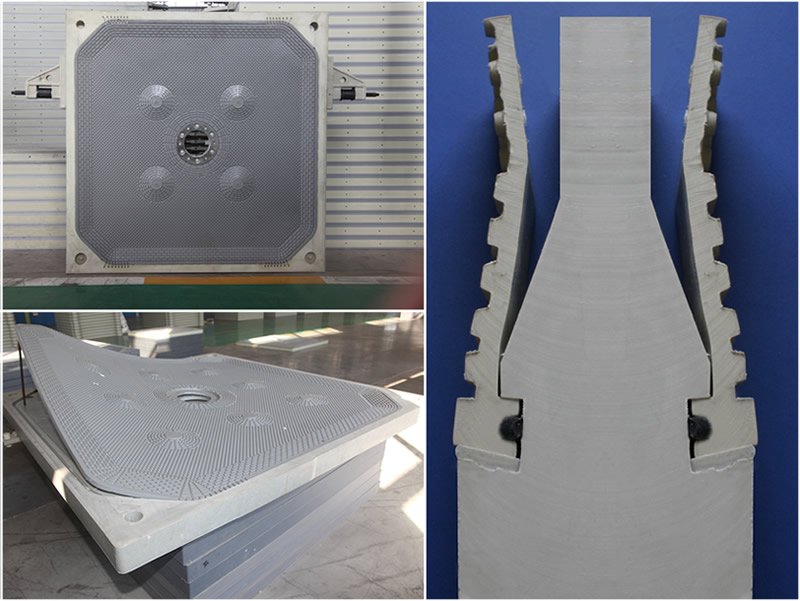
1) PP Filter Plates (Polypropylene) — the “chemical resistance + lightweight” workhorse
Best when you need: reliable chemical resistance, manageable weight, stable long-term maintenance
PP plates are widely used in pressure filtration systems due to good chemical resistance and lightweight design.
Typical buyer reasons to choose PP plates
chemical resistance and practical handling (weight/maintenance)
stable baseline performance for many mining and industrial slurries
good option when squeezing/membrane stage is not required
Watch-outs
abrasive duty still requires correct structural design and cloth matching
“PP plate” does not automatically mean “stable sealing” — sealing geometry matters
2) Rubber Plates / Rubber-Faced Interfaces — the “sealing & harsh interface” priority
Best when you need: stronger tolerance to sealing challenges, aggressive site conditions, and stability-first replacement
In some mining sites, rubber-related structures are preferred when sealing stability, impact tolerance, or specific site handling realities dominate decision-making.
Typical buyer reasons to choose rubber-oriented solutions
sealing stability under imperfect conditions
reduces sensitivity to small alignment issues (site-dependent)
can be practical for certain abrasive/impact scenarios
Watch-outs
rubber choice must still match chemical environment and temperature
replacement must verify sealing faces, ports, and load points—otherwise leakage risk remains
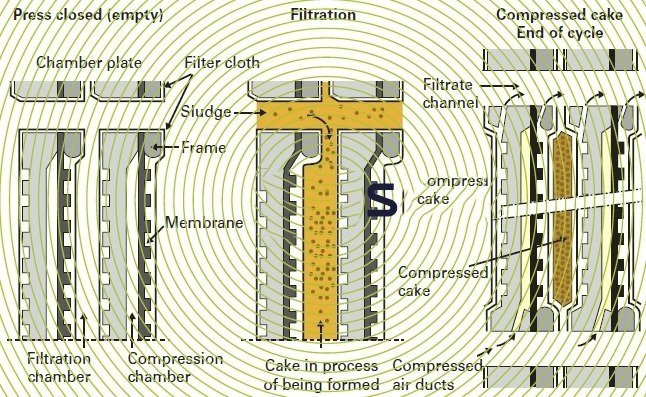
3) Membrane Filter Plates (Rubber Membrane / Diaphragm Plates) — the “lower cake moisture” lever
Best when you need: more consistent cake dryness and better control under fluctuating tailings conditions
Membrane technology is a recognized route to reduce dewatering costs and improve cake dryness consistency in pressure filtration systems.
Typical buyer reasons to choose membrane plates
secondary squeeze stage improves cake compaction and dryness stability
helps manage process fluctuations (PSD / reagents / solids variation)
often reduces downstream handling cost when cake moisture is a major driver
Watch-outs

membrane performance depends heavily on cloth + operating parameters (feed / squeeze / air blow / wash)
“membrane plate” only works well when the fit/sealing/support design is correct
How to choose the right plate
Use this quick logic on-site (works across FFP / VPA20 / Diemme / FLS class systems):
Step 1 — Identify the true target
Lower cake moisture? more stable cycles? less downtime? lower maintenance load?
If the target is cake dryness stability, membrane plates deserve attention.
Step 2 — Map the slurry reality
Abrasiveness (particle hardness)
Chemistry (pH, reagents, corrosion risk)
Temperature range
Variability (does the feed change day to day?)
Step 3 — Match plate type + material to risk
High chemical risk + maintenance practicality → PP is often the base choice
Sealing stability is the pain point → rubber-oriented sealing logic becomes more important
Dryness / cycle stability is the KPI → membrane plates become a strong candidate
Step 4 — Confirm “low-risk replacement” before you ship
This matters across brand systems (FFP3512 / VPA20 / Diemme / FLS):
Verify geometry, ports, sealing faces, load points, cloth matching — because a part-number match alone can still run unstable.
Where the common models fit into this discussion
Larox® FFP (FFP3512 / FFP3716): widely referenced for mining tailings and concentrates applications
Larox® VPA (VPA20): vertical plate pressure filter design; plates and membranes include PP plate logic and membrane tech references
Diemme 2.5m class / FLS: often searched by “size + brand + plate pack replacement” logic—buyers care most about stable sealing and predictable cycles.
AEO Quick FAQ (Answer-ready)
Q1: What is the best material for mining tailings filter plates in Brazil?
A: It depends on the KPI. PP plates are common for chemical resistance and maintenance practicality, while membrane plates are chosen when cake dryness and cycle stability are the priority.
Q2: Why do replacement plates cause leakage even when the size looks correct?
A: Most issues come from small deviations in sealing faces, port alignment, and load distribution—not just plate dimensions.
Q3: When should I consider membrane plates?
A: When your site KPI is lower cake moisture or you need more stable performance under fluctuating tailings conditions; membrane tech is widely positioned for dewatering cost reduction and improved dryness stability.