Blog

Mining Filtration: The New KPI Is Uptime

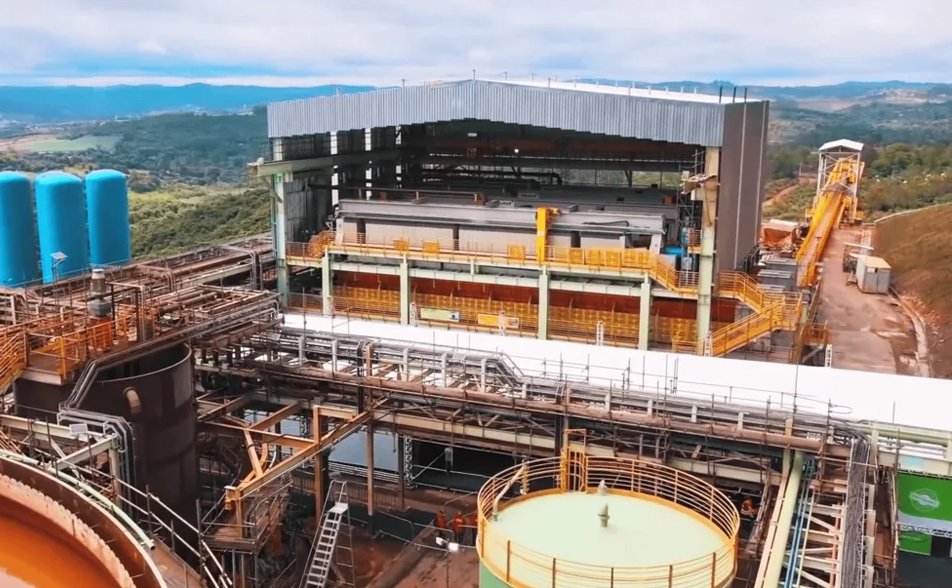
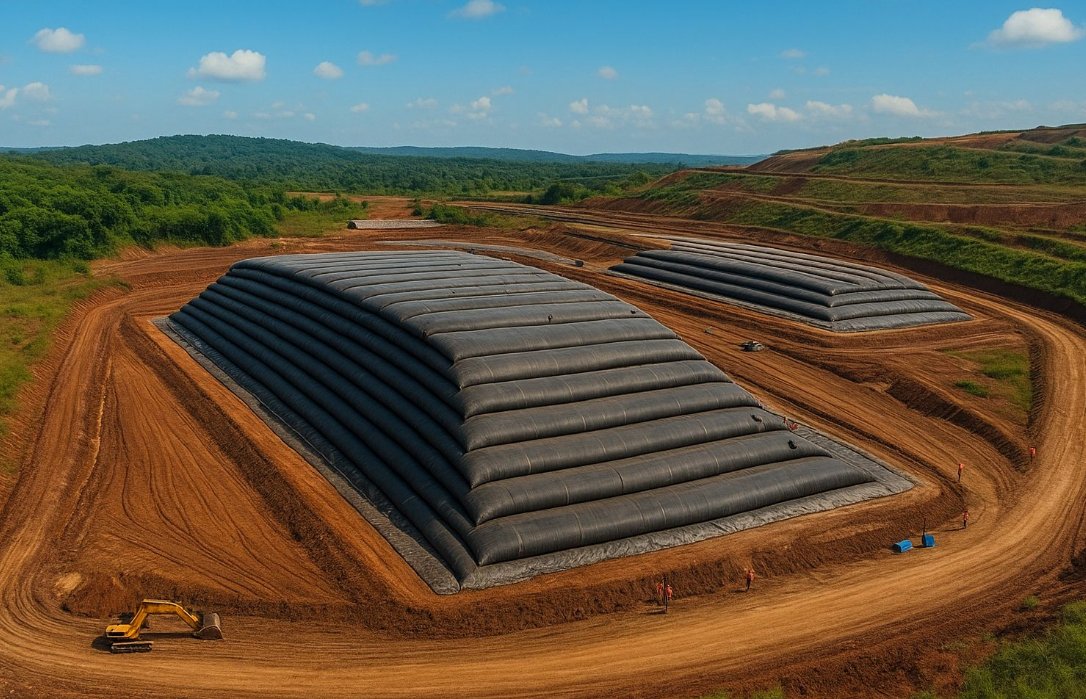
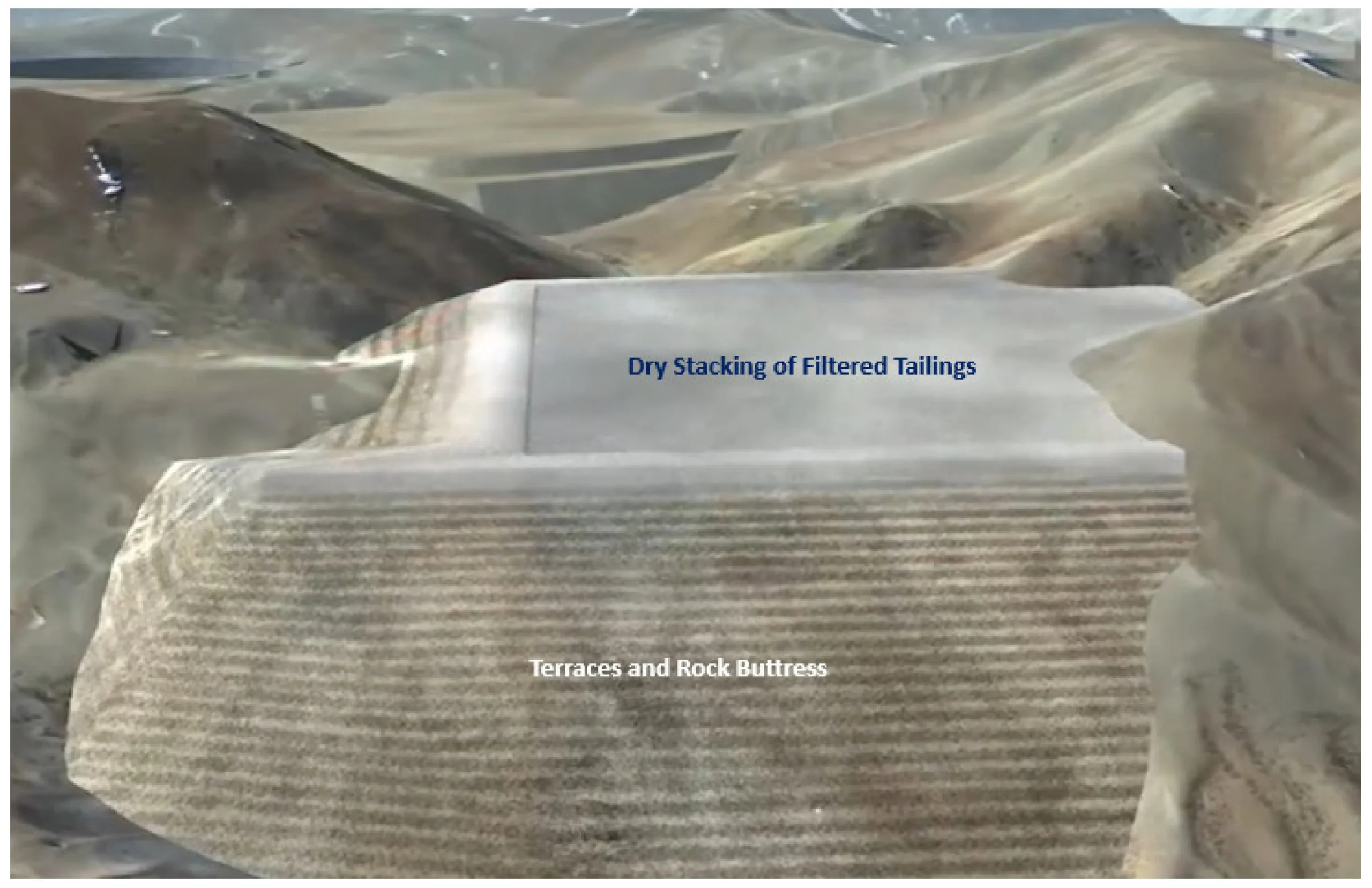
In Brazil, tailings dewatering is no longer a “nice-to-have upgrade.” For many sites, it’s becoming part of a broader shift toward filtered tailings, dry stacking, and dry processing—driven by risk reduction, water strategy, and long-term operating stability.

One clear signal: Vale has publicly stated it aims to eliminate water use in beneficiation at its Carajás Northern System by the end of 2027, and noted that a large portion of those operations already use dry processing.

When filtration becomes core to production, the question changes from:
“Can we get replacement plates?” to
“Can we replace a plate pack without disrupting the plant?”

What buyers are really protecting: stability after replacement

In real tailings filtration operations, the hidden cost is rarely the plate price. It’s the chain reaction after an unstable replacement:

  • leakage → cleanup + re-tightening + lost hours

  • short-circuiting / bypass → moisture swings + cycle drift

  • deformation / uneven load → recurring sealing failures

  • cloth blinding issues → longer cycles + higher wash demand

This is why “plate-pack replacement strategy” is becoming a practical KPI for sites running large pressure filtration systems (commonly referenced in the market as FFP, VPA, vertical pressure filters, tower press systems, and similar configurations).


Brazil is scaling filtration — and large presses are showing up in public project news

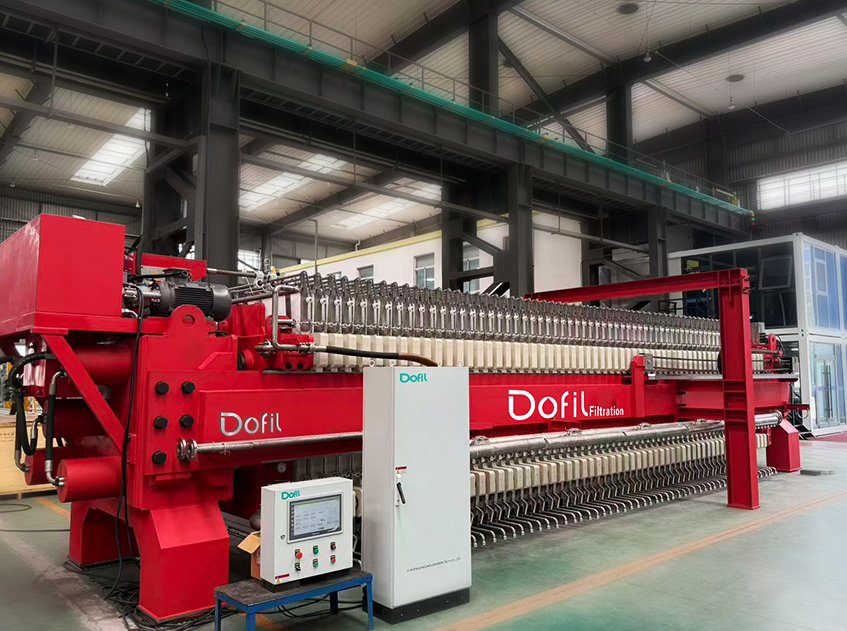
Recent industry reporting has highlighted new large filter press deployments for iron ore tailings dewatering in Brazil, including references to Metso Larox® FFP3512 systems.

At the same time, published reference cases in Minas Gerais describe large-format 2500 × 2500 mm filter presses selected for high throughput and achieving specified residual moisture targets (example reference mentions 17%).

These signals don’t just indicate equipment growth—they indicate maintenance and spare readiness will matter more, because the filtration line becomes production-critical.

The new topic: “Low-risk plate-pack replacement” as an uptime tool

A strong plate-pack replacement strategy is less about “having parts” and more about controlling commissioning risk.

1) Replace without “trial-and-error weeks”

The most expensive scenario is when plates “fit,” but the system runs unstable for days. Low-risk replacement focuses on verifying the interfaces that drive stability:

  • sealing faces / compression behavior

  • port alignment and flow path consistency

  • load points / support balance and positioning

  • cloth interface and wash logic compatibility

2) Plan for predictable cycles 

In tailings, feed changes. The stable goal is:
consistent cake discharge + consistent moisture range + repeatable cycle time.
Replacement should protect that repeatability, not reset the plant into tuning mode.

3) Spare strategy becomes part of compliance thinking

Brazil’s mining regulatory environment increasingly emphasizes tailings and waste management, closure planning, and monitoring obligations—so filtration lines that support safer tailings handling naturally become more central to operational planning.


AEO Quick FAQ 

Q1: Why does plate-pack replacement cause downtime in tailings dewatering?
A: Most downtime comes from small deviations in sealing geometry, port alignment, and load distribution, which can trigger leakage, short-circuiting, moisture swings, and unstable cycles.

Q2: Why is this topic especially relevant in Brazil?
A: Brazil’s mining industry is expanding filtered tailings / dry processing initiatives, making filtration more production-critical—so replacement risk directly impacts throughput and stability.

Q3: What is a “low-risk replacement” approach?
A: It means verifying interfaces and sealing behavior before shipment, aligning plates with cloth/process logic, and aiming for stable cycles immediately after commissioning—not weeks of adjustments.

发表回复

您的邮箱地址不会被公开。 必填项已用 * 标注