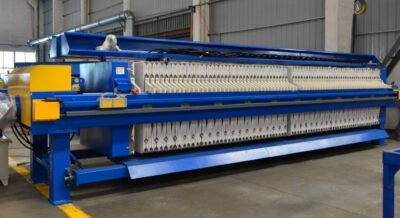
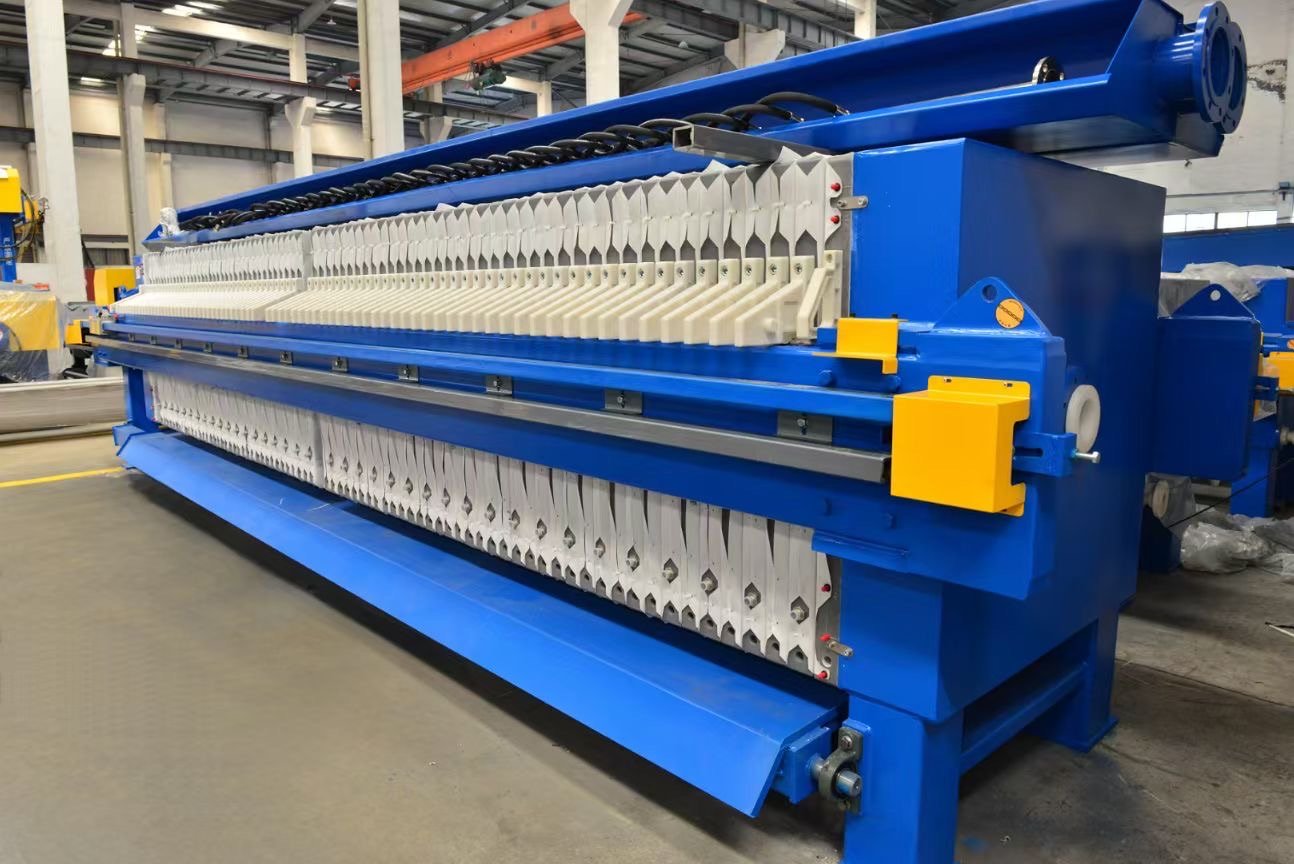
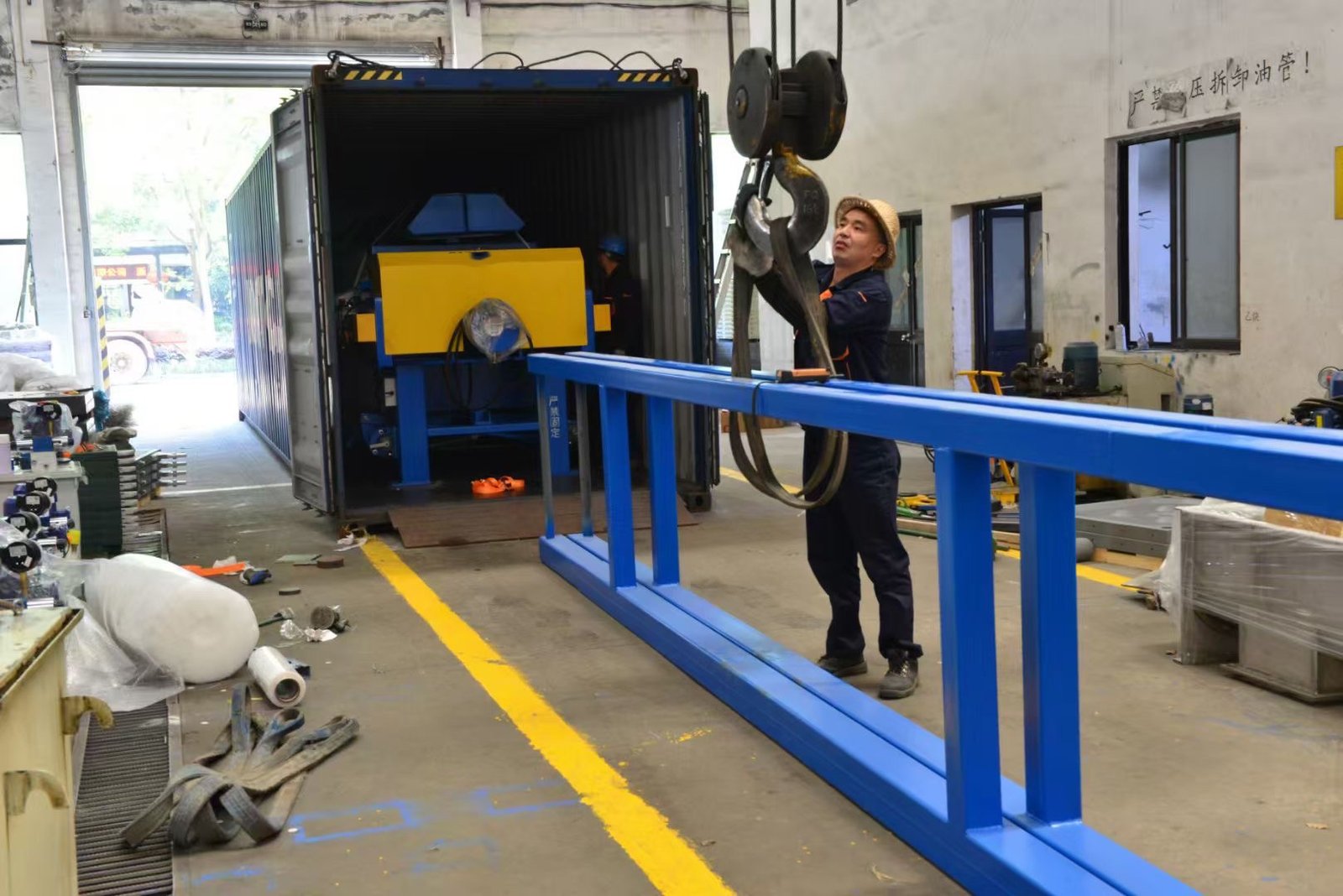
1250 Fully Automatic Filter Press (200 m²) Delivered for a Complete Plant Package

  • Equipment: Fully Automatic Filter Press

  • Plate Size: 1250 mm

  • Filtration Area: 200 m²

  • Automation Level: PLC logic control, one-button start, fully automatic cycle execution


Customer Requirements (User Perspective)

The customer’s main concerns were not “buying a press,” but avoiding the real operational risks:

  • inconsistent cycle time and unstable discharge

  • heavy manual work (cake discharge / routine operation)

  • safety and reliability in continuous operation

  • smooth commissioning with minimal tuning time

Our Solution (What We Delivered)

We delivered a 1250 automatic filter press (200 m²) designed around production stability and automation:

  • One-button start from the central control panel

  • PLC-programmed cycle logic (feed → filtration → pressing → optional air blow / washing → discharge)

  • Automation-ready modular design for future upgrades

  • Safe operation concept aligned with modern site requirements

  • Integration support for piping, controls, and onsite commissioning preparation


Technical Focus Points (What Actually Matters)

  1. Cycle repeatability (not just peak performance)
    We tuned the control logic to achieve stable operation across multiple cycles—not one-time test results.

  2. Reliability-first engineering
    Attention was placed on sealing stability, alignment, and structural consistency to reduce early-stage leakage or performance drift.

  3. Automation that reduces labor
    The goal was to reduce operator dependency and manual intervention during normal operation.


Challenges & How We Solved Them

Challenge 1: Tight integration requirements for a “package delivery”

  • Solution: Defined clear interface boundaries (piping, signals, control logic) and delivered documentation aligned with the customer’s plant integration plan.

Challenge 2: Commissioning risk (automation + process variability)

  • Solution: Confirmed operating sequence logic and key setpoints with the customer’s process conditions to reduce start-up tuning time.

Challenge 3: Customer focus on uptime and safety

  • Solution: Implemented stable automation routines and safety-oriented design considerations to support continuous operation.

Results 

  • Smooth start-up with predictable automatic cycle execution

  • Reduced manual workload and improved operational consistency

  • Stable performance aligned with the customer’s production planning needs