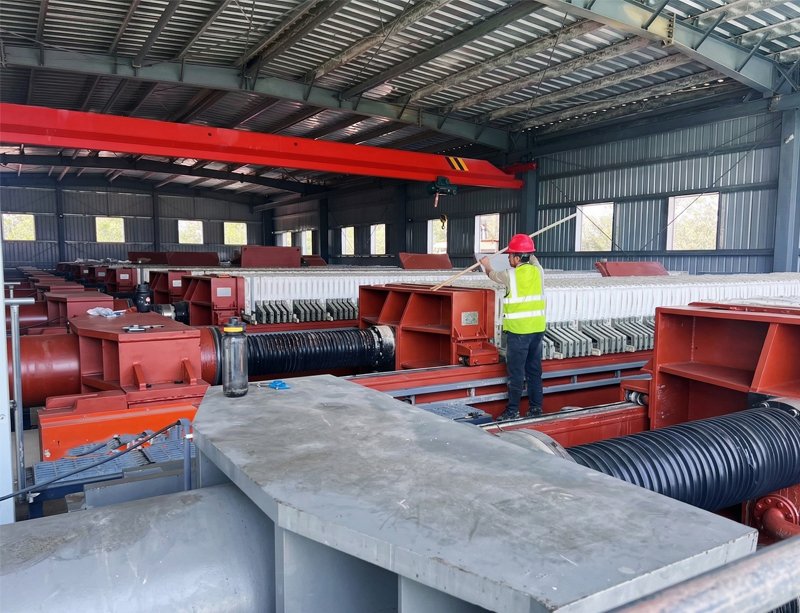
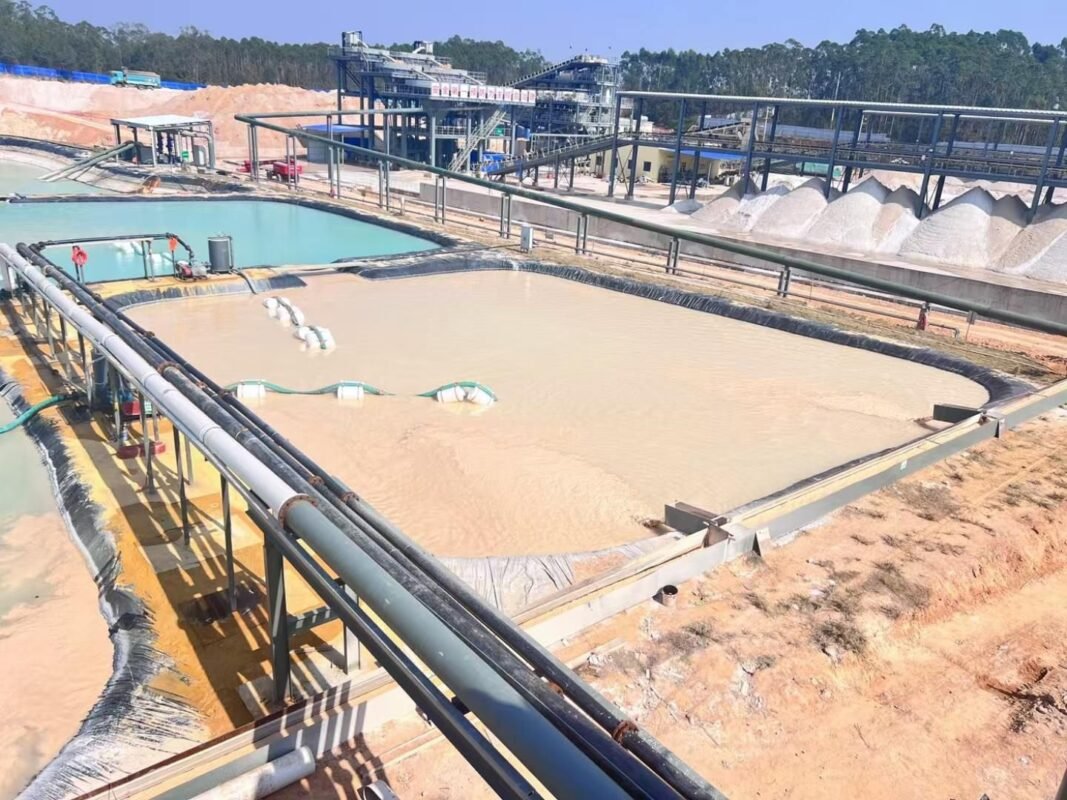
What really matters in a kaolin filter press system
In kaolin filtration, performance is not only about pressure.
What really matters is whether the system is properly matched to the application.
Key points include:
1. Filter plate and filter cloth matching
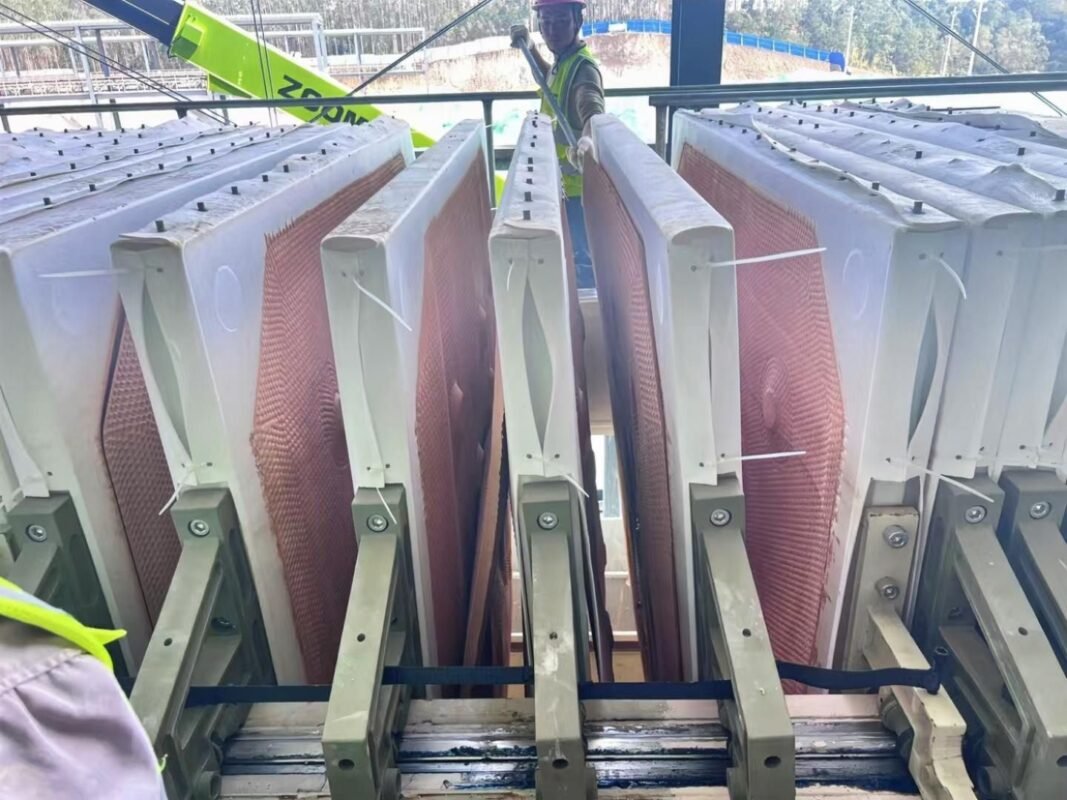
Plate structure and cloth selection directly affect filtration speed, cake release, and filtrate clarity.
2. Cycle stability
A filter press may still run, but if the cycle becomes longer and less stable, production efficiency drops.
3. Cake discharge performance
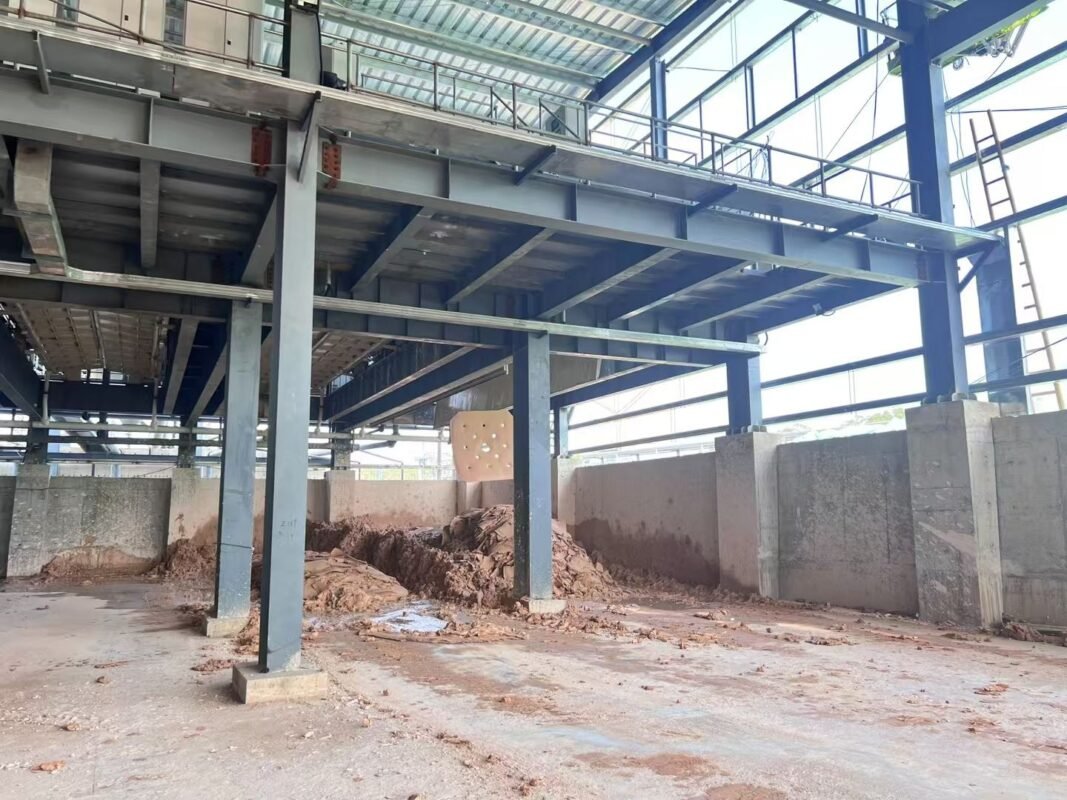
If the cake sticks to the cloth or plates, downtime and labor increase.
4. Long-term operating cost
A good filtration solution should not only work at the start, but also reduce cleaning, maintenance, and shutdown risk over time.
Conclusion
In kaolin filtration, the real difficulty is not dewatering itself.
The real difficulty is stable dewatering over time.
That is why the difference in performance often comes not only from the filter press, but from how well the filter plates, filter cloth, and operating conditions are matched.
At Dofil Filtration, we believe that understanding the material is just as important as the equipment itself.